
If you’ve ever held a piece of gold or thought about buying some, you’ve probably wondered about its weight. I remember the first time someone told me about troy ounces – I was completely confused. Why couldn’t gold just be measured like everything else?
Turns out, there’s actually a good reason for it, and once you understand the basics, it all makes sense.
Why Gold Uses Different Ounces
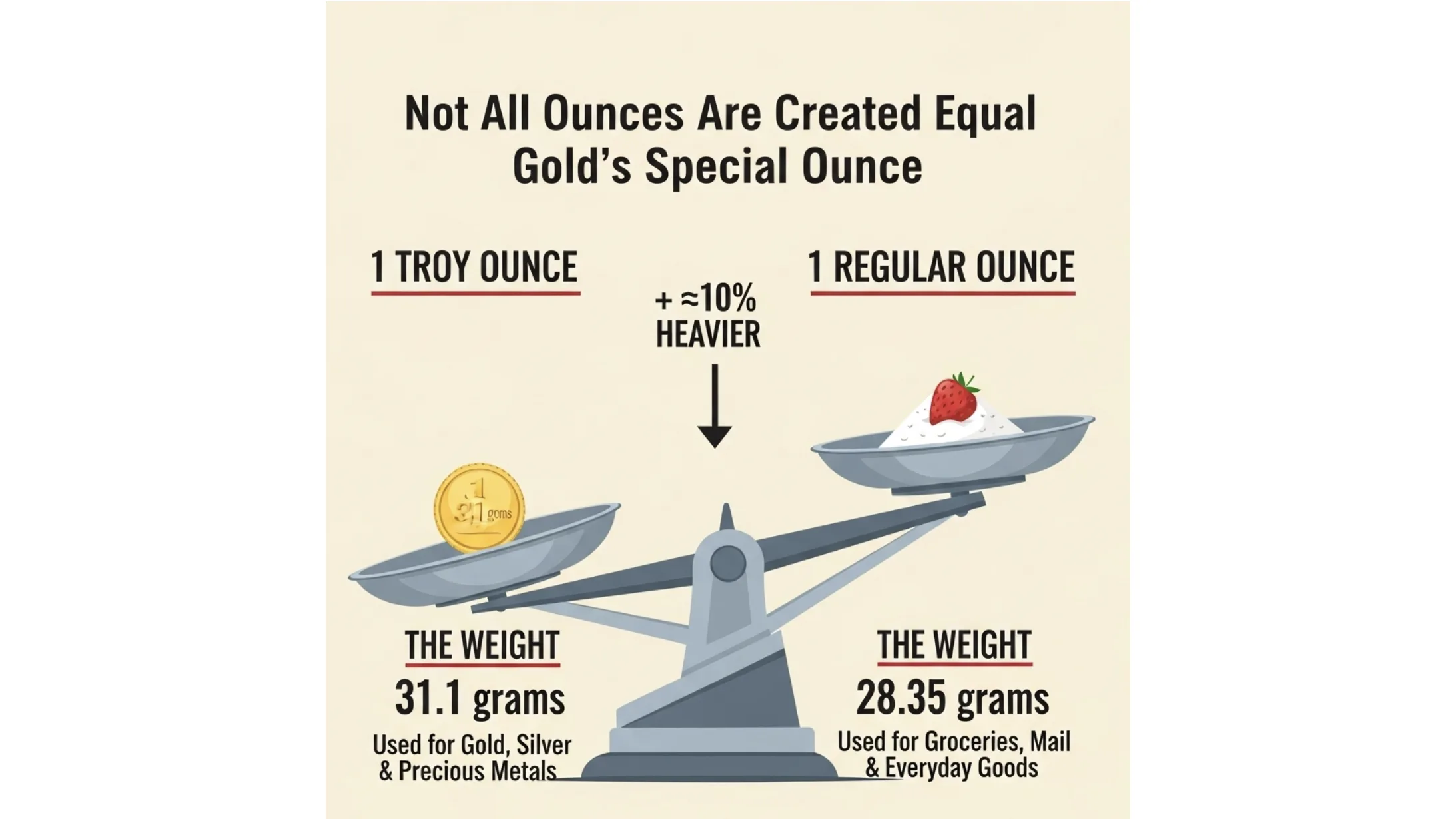
Here’s something that trips up almost everyone at first: when we talk about gold, an “ounce” doesn’t mean the same thing as when you’re measuring flour for baking. Gold uses something called a troy ounce, which is heavier than the regular ounce you’re used to.
A troy ounce weighs exactly 31.1034768 grams. Compare that to a standard ounce (technically called an avoirdupois ounce), which is only about 28.35 grams. That’s roughly a 10% difference – not something you want to mess up when you’re dealing with expensive metal!
The whole troy system goes way back. The name comes from Troyes, a medieval trading city in France where merchants needed a standard way to weigh precious metals. By the 1400s, England had made it official for gold and silver, and when America got into the game in 1828, we adopted the same system. Smart move, really – it kept everyone on the same page for international trade.
The Math (Don’t Worry, It’s Simple)
Converting troy ounces to grams is pretty straightforward. You just multiply by 31.1034768. So if you’ve got 2 ounces of gold, that’s 2 × 31.1035 = 62.207 grams.
Here’s a handy reference for the most common weights:
- Quarter ounce: 7.78 grams
- Half ounce: 15.55 grams
- One ounce: 31.10 grams
- Two ounces: 62.21 grams
- Five ounces: 155.52 grams
- Ten ounces: 311.04 grams
Whether you’re comparing prices or trying to figure out what you’re actually getting for your money, these conversions matter.
Make it easier on yourself with our calculator:
Coming soon
What Does an Ounce of Gold Actually Look Like?
This is where it gets interesting. Gold is incredibly dense, so an ounce doesn’t look like much, but it feels substantial in your hand.
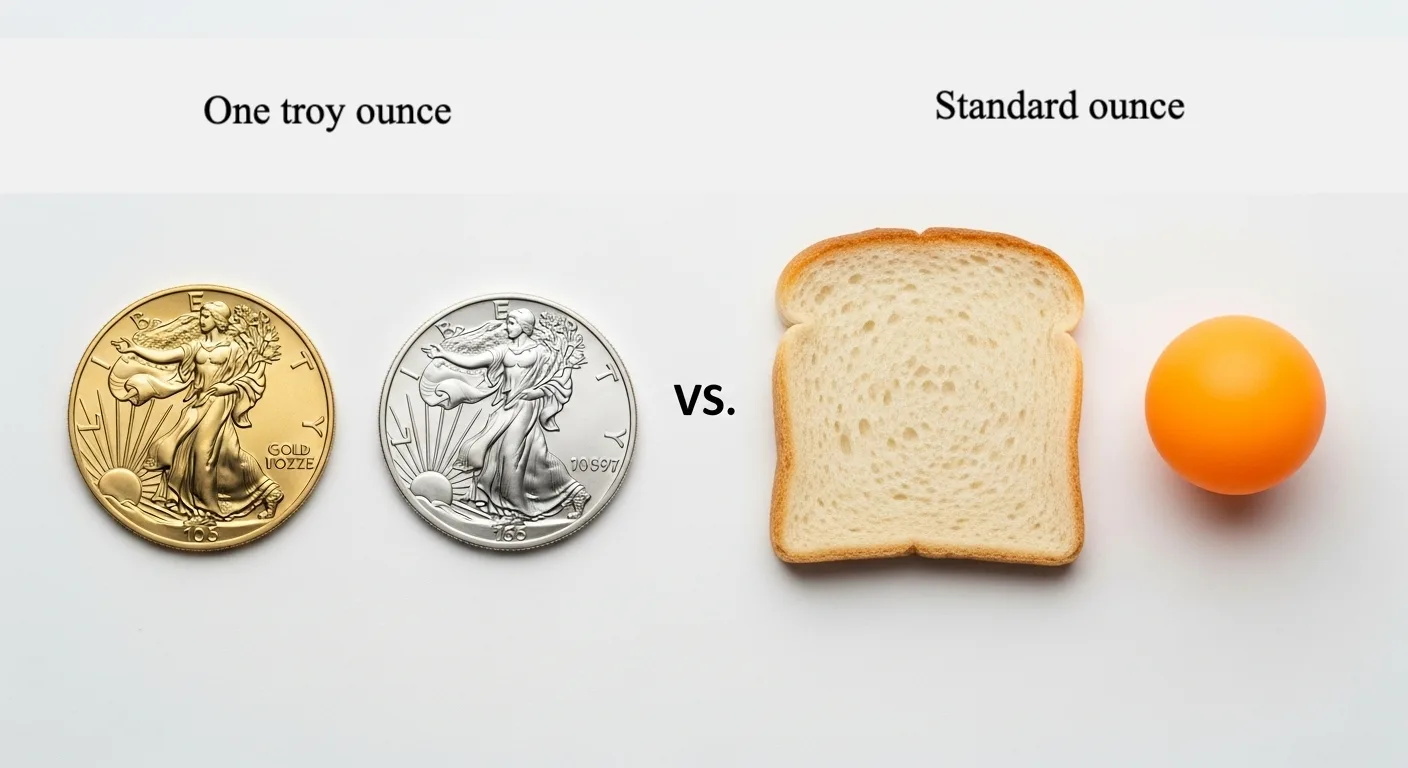
To give you some perspective, things that weigh about a regular ounce include a slice of bread, a CD, or a ping pong ball. But a troy ounce is heavier – think more like an American Silver Eagle coin.
If we’re talking about actual gold coins, here are some size references:
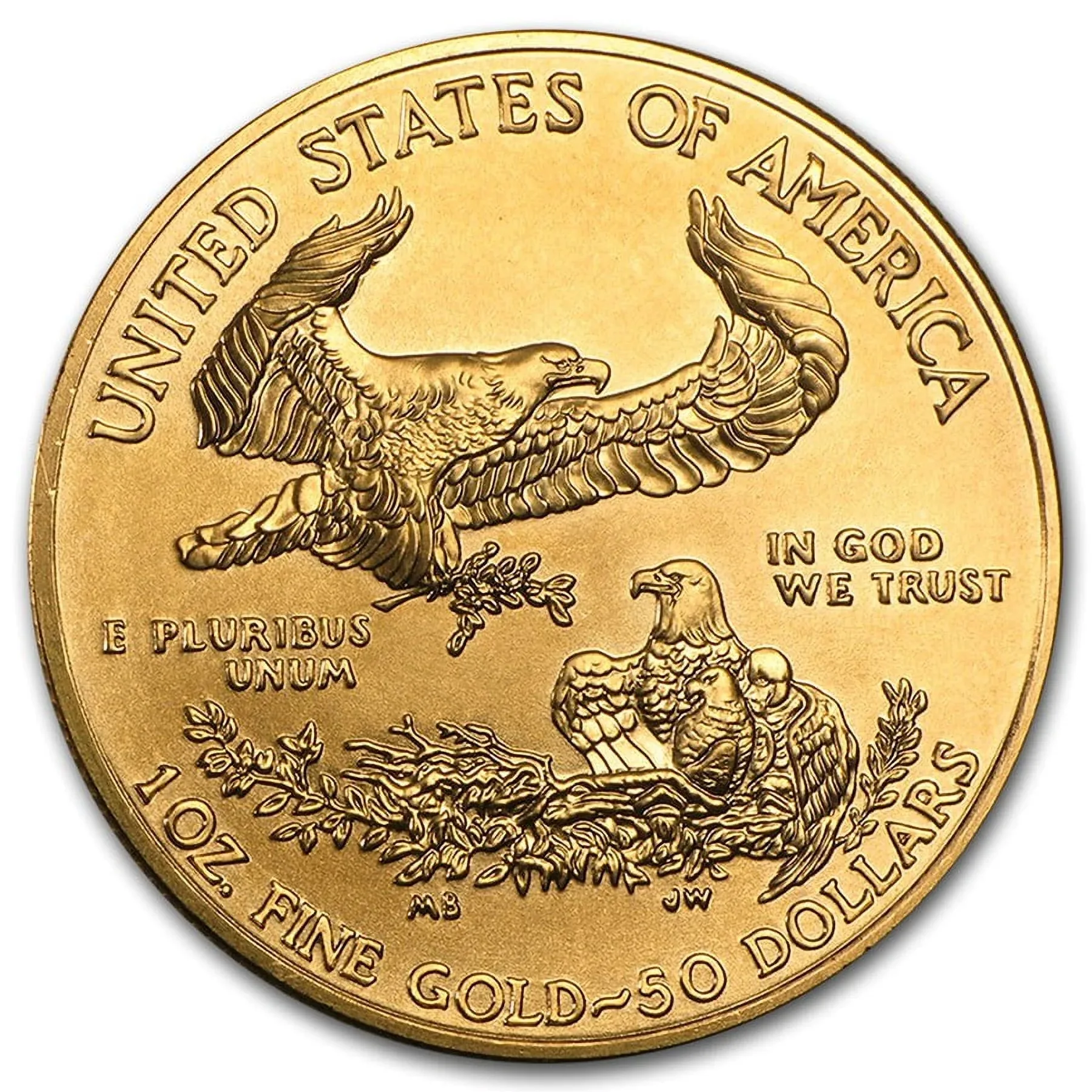
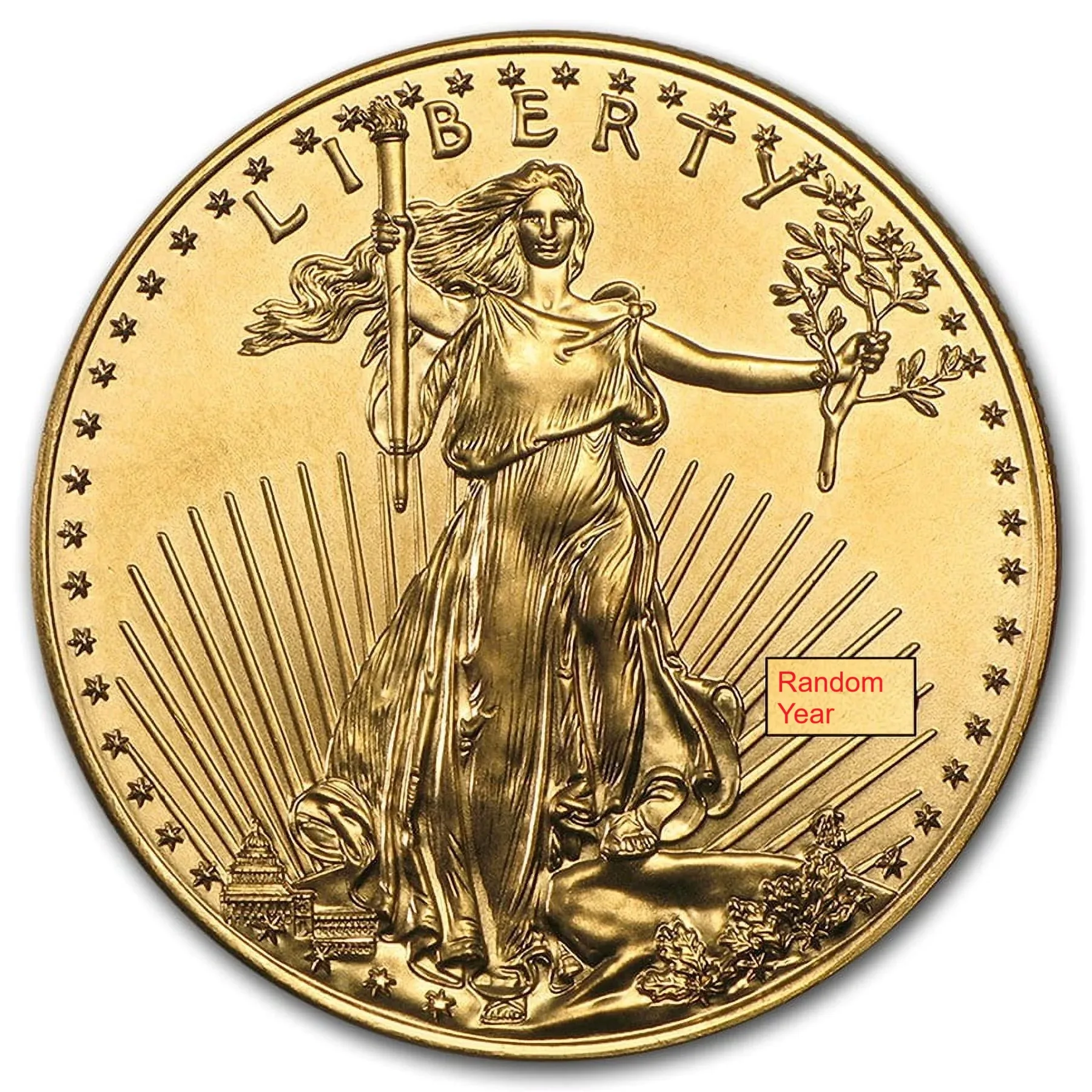
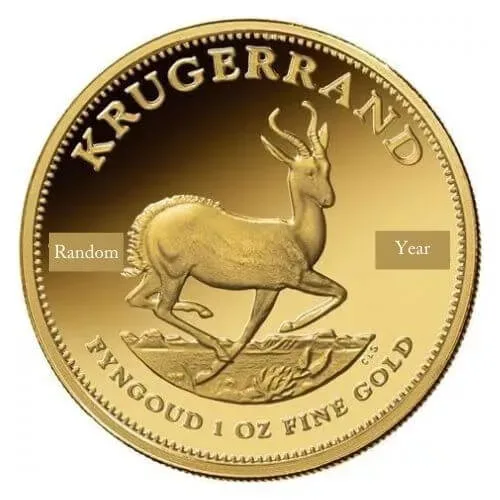
- American Gold Eagles and South African Krugerrands are about 32.7mm across (roughly the size of a half dollar)
1 oz American Gold Eagle Coin
1 oz South African Gold Krugerrand coin

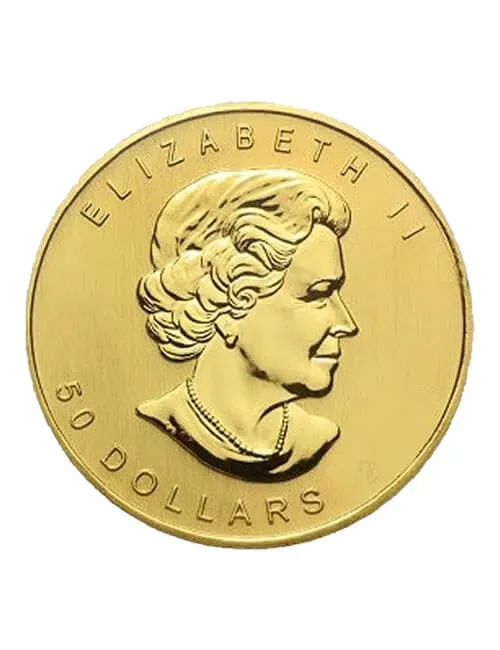
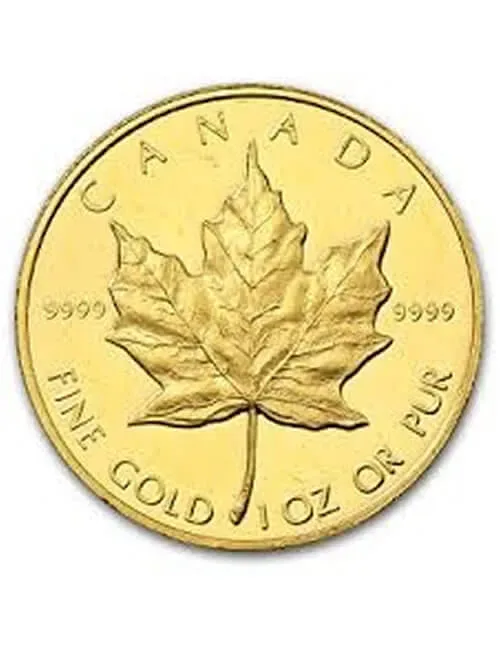
- Canadian Maple Leafs are a bit smaller at 30mm
1 oz Canadian Gold Maple Leaf Coin .9999 Fine
- Austrian Philharmonics are the largest at 37mm
1 oz Austrian Philharmonic Gold Coin
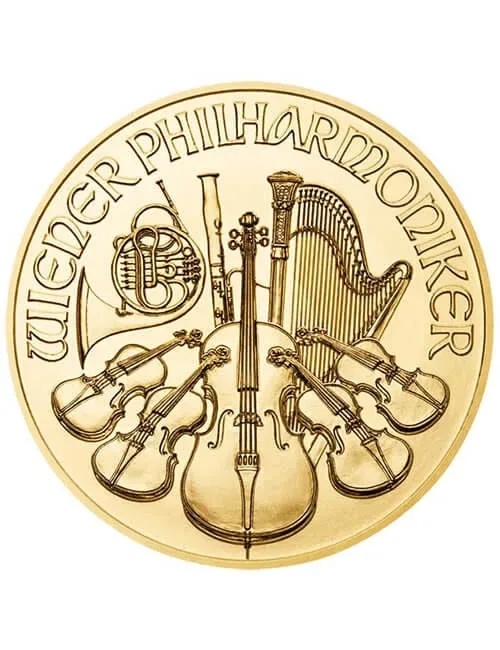
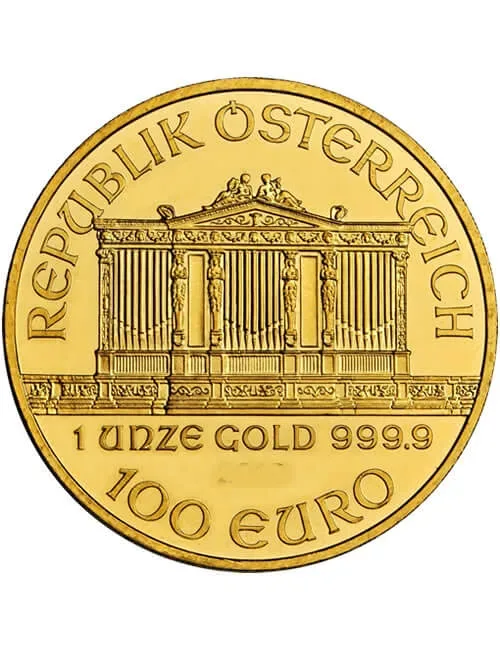
The density is what gets you. Even these relatively small coins feel heavy because gold packs so much weight into such a small space.
The Purity Factor (This Is Where It Gets Tricky)
Now here’s something that confused me for the longest time: purity doesn’t change the weight, but it changes how much actual gold you’re getting.
Let me break this down:
24-karat gold is basically pure gold. One troy ounce gives you 31.10 grams of nearly pure gold (99.99%).
22-karat gold is about 91.67% pure. An ounce still weighs 31.10 grams total, but only about 28.5 grams of that is actually gold. The American Gold Eagle is a perfect example – it’s 22K but they add extra metal so you still get exactly one ounce of pure gold content.
18-karat gold is 75% pure. Your ounce weighs 31.10 grams, but only about 23.3 grams is pure gold.
10-karat gold is just 41.7% pure. Still weighs an ounce, but you’re only getting about 13 grams of actual gold.
This distinction is huge when you’re buying or selling. Always know whether someone is talking about total weight or pure gold content.
Questions I Get Asked All the Time
“Why can’t gold just use regular ounces like everything else?” Tradition, mostly. The troy system has been around for centuries, and changing it now would create chaos in global markets. Plus, it actually works well for precious metals.
“Does a more pure gold coin weigh more?” Nope. An ounce is an ounce regardless of purity. But higher purity means more actual gold in that ounce.
“How do I know if someone’s using troy ounces or regular ounces?” In the gold world, assume troy ounces unless specifically stated otherwise. Reputable dealers will always be clear about this.
Making Sense of It All
Look, I’ll be honest – this stuff seemed unnecessarily complicated when I first got into gold. But once you understand that troy ounces are the standard and you memorize that 31.1 grams conversion, everything else falls into place.
The key is being precise. Even small mistakes in weight calculations can cost you real money when gold prices are involved. When in doubt, double-check your math or use a reliable online calculator.
Whether you’re buying your first gold coin or adding to a collection you’ve had for years, understanding these weights and conversions gives you confidence. You’ll know exactly what you’re getting and can spot when something doesn’t add up.
And trust me, once you’ve handled a few pieces of gold and gotten used to how an ounce feels in your hand, you’ll never forget it.
At Bullion Trading LLC, we’re here to help you make those informed decisions about your gold investments, from gold bars to coins.