
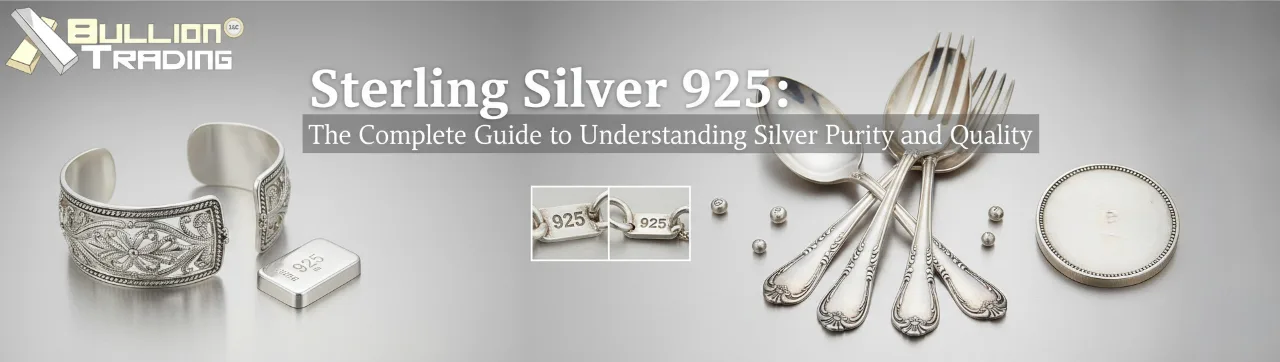

If you have ever shopped for silver jewelry or flatware, you have probably noticed a small “925” stamped somewhere on the piece. This tiny number carries significant meaning for anyone interested in precious metals, yet many buyers remain uncertain about what it actually represents. Understanding sterling silver 925 goes beyond simply recognizing a hallmark. It means knowing what you are purchasing, why that composition exists, and how to make informed decisions when adding silver to your collection.
The difference between sterling silver and other silver types can mean hundreds of dollars when purchasing jewelry or silverware. More importantly, it affects durability, appearance, and long-term value. This guide breaks down everything you need to know about the 925 standard, from its medieval origins to modern buying considerations.
What Does 925 Sterling Silver Actually Mean?
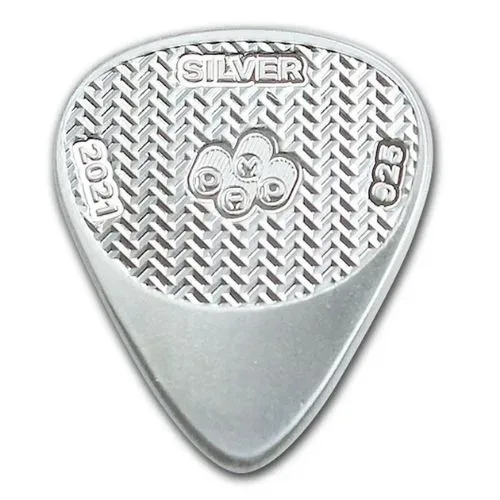
Sterling silver is an alloy composed by weight of 92.5% pure silver and 7.5% other metals, most commonly copper. The “925” stamp you see on silver items represents this percentage expressed as parts per thousand, known as millesimal fineness. When a piece is marked 925, it guarantees that out of every 1,000 parts of the metal, 925 parts are pure silver.
This composition was not chosen arbitrarily. Pure silver, while beautiful, is remarkably soft and impractical for everyday items. Anyone who has handled a .999 fine silver bullion coin understands this. The metal scratches easily and cannot maintain its shape under regular use. By adding 7.5% of other metals, primarily copper, manufacturers create an alloy that retains silver’s brilliant luster while gaining the durability necessary for jewelry, utensils, and decorative objects.
The term “sterling” itself carries historical weight. According to the Oxford English Dictionary, the word originally referred to “silver fit to be used in the making of sterlings,” with sterling being another name for the English silver penny. While etymologists debate the exact origin, the connection between sterling silver and currency underscores its long association with value and trust.
The History Behind the 925 Standard
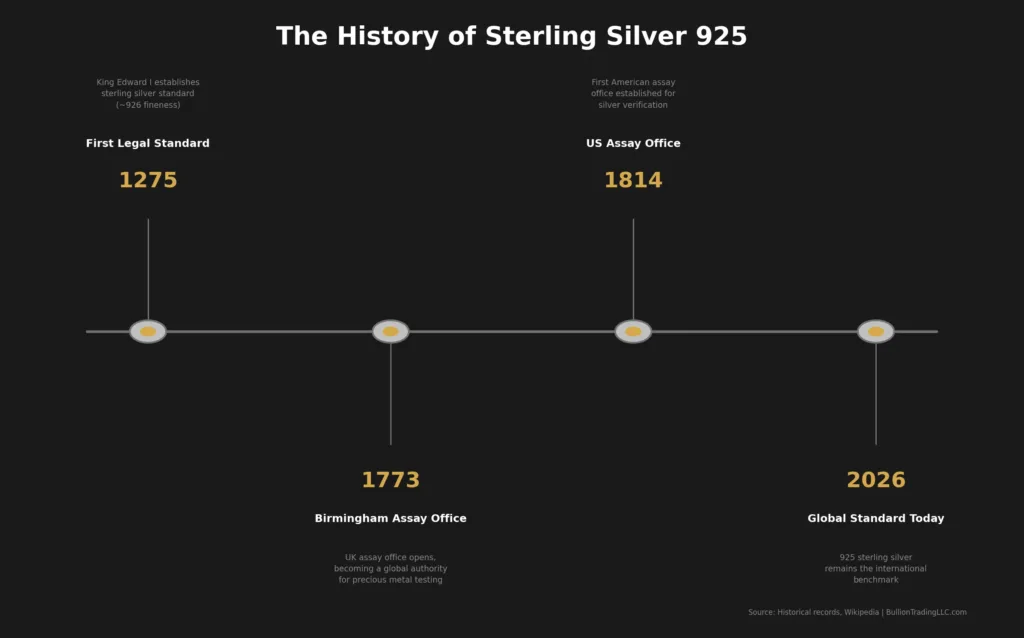
Sterling silver has regulated quality standards stretching back over 750 years. The first legal definition appeared in 1275, when King Edward I of England established specifications for silver coinage. That statute required 12 troy ounces of silver for coinage to contain 11 ounces and 2.25 pennyweights of silver with 17.75 pennyweights of alloy. This works out to approximately 926 millesimal fineness, remarkably close to today’s 925 standard.
The standard piece of sterling silver dating from Henry II’s reign was actually used as a reference in the Trial of the Pyx, England’s testing procedure for coinage quality, until it was deposited at the Royal Mint in 1843. This centuries-long continuity demonstrates why 925 silver remains the global benchmark.
In Colonial America, silversmiths adhered to the standard set by the London Goldsmiths Company before the United States established its first assay office in 1814. American craftsmen including Paul Revere, who is celebrated both for his midnight ride and his exceptional silversmithing, worked primarily in sterling silver. Each piece carried the silversmith’s personal maker’s mark, with their reputation guaranteeing composition quality.
Sterling Silver vs. Fine Silver: Understanding the Difference
The distinction between sterling silver (92.5% pure) and fine silver (99.9% pure) matters significantly for both practical use and investment purposes. Fine silver, marked as .999, represents the purest commercially available form of the metal. The Silver Institute notes that silver’s exceptional properties include being one of the world’s best conductors of electricity and heat, with the highest optical reflectivity of any metal.
However, these pure silver properties come with trade-offs that explain why sterling exists. Fine silver is too soft for jewelry that will be worn regularly. Rings, bracelets, and chains made from .999 silver would quickly lose their shape, develop deep scratches, and potentially break. Sterling silver’s copper content provides the structural integrity that allows pieces to last generations with proper care.
From an investment perspective, the two serve different purposes. Fine silver bullion, whether in coins or bars, represents pure metal value and trades closest to spot prices. Sterling silver items carry additional premiums for craftsmanship and artistry. When silver prices rise significantly, as we have seen throughout 2025 with prices reaching the $90-95 per ounce range, both forms appreciate, though their markets respond differently.
How to Identify Genuine Sterling Silver
Verifying that a piece is truly 925 sterling silver involves examining both stamps and physical characteristics. Legitimate sterling silver will typically bear one of several recognized marks.
The most common is simply “925” or “.925” stamped directly on the item. You may also encounter “Sterling,” “Ster,” or “Sterling Silver” as text marks. In the United Kingdom and other countries with formal hallmarking systems, you will find additional marks indicating the assay office that tested the piece, the date of manufacture, and the maker’s registered mark. The Birmingham Assay Office, operating since 1773, remains one of the world’s most respected testing facilities for precious metals.
Beyond stamps, several characteristics help identify sterling silver. The metal has a distinctive bright, white appearance that differs from silver-plated items, which often show a slightly warmer or yellower tone. Sterling silver also tarnishes over time when exposed to air and sulfur compounds, developing a dark patina that actually helps authenticate genuine pieces. Silver-plated items may show the base metal underneath when the thin silver coating wears through, particularly on high-contact areas.
Professional testing methods include acid testing, where a small amount of testing solution is applied to an inconspicuous area, and electronic testing using XRF (X-ray fluorescence) analyzers. Reputable dealers like Bullion Trading LLC verify authenticity before selling any precious metal products.
Why Sterling Silver Contains Copper
Copper became the standard alloying metal for sterling silver because it strengthens the alloy without significantly altering silver’s desirable optical properties. The 7.5% copper addition dramatically increases hardness and durability while allowing the alloy to maintain silver’s characteristic bright white color and excellent polish.
Modern metallurgists have developed alternative alloys to address some of sterling silver’s limitations. Argentium sterling silver, which replaces some copper with germanium, offers enhanced tarnish resistance and firescale prevention. Argentium alloys are available at 93.5%, 94%, or 96% silver content. Other proprietary alloys include elements like zinc, platinum, silicon, and boron to improve specific characteristics.
However, traditional copper-alloyed 925 sterling silver remains dominant in the marketplace. Its properties are well understood by craftspeople worldwide, repair and resizing remain straightforward, and consumers recognize the 925 standard immediately. For practical purposes, the copper in sterling silver has proven itself over seven centuries of continuous use.
Understanding Sterling Silver Tarnish
One characteristic that surprises new sterling silver owners is tarnishing. Unlike gold, silver reacts with sulfur compounds present in the atmosphere, food, and even human perspiration. This reaction forms silver sulfide, which appears as a dark, sometimes black, coating on the metal’s surface.
Tarnishing is not a defect or sign of poor quality. In fact, it helps authenticate genuine sterling silver, since silver-plated or silver-colored base metals often do not tarnish in the same way. Many collectors and antique enthusiasts actually value tarnish, or patina, as it highlights engraved details and demonstrates a piece’s age and authenticity.
The copper content in sterling silver can accelerate tarnishing compared to fine silver, as copper also reacts with atmospheric compounds. Environments with higher humidity, air pollution, or exposure to rubber, certain foods (especially eggs and onions), and wool can speed up the tarnishing process.
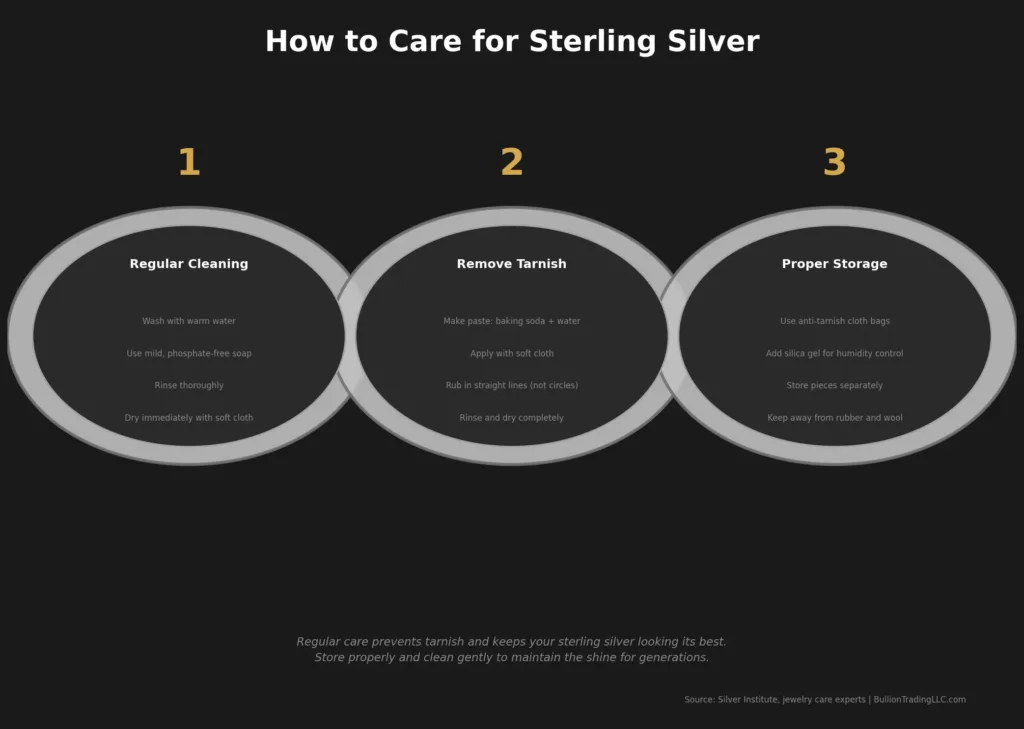
Proper storage significantly slows tarnish formation. Storing sterling silver in anti-tarnish cloth bags or cases, using silica gel packets to control humidity, and keeping pieces separated to prevent scratching all help maintain appearance between cleanings.
Caring for Sterling Silver Jewelry
Maintaining sterling silver’s beauty requires regular but gentle care. For routine cleaning, washing with warm water and a mild, phosphate-free dish soap removes oils and light tarnish. Use a soft cotton cloth rather than abrasive materials, and always dry pieces thoroughly to prevent water spots.
For more significant tarnish, a paste made from baking soda and water can restore shine. Apply with a soft cloth using straight back-and-forth motions rather than circular rubbing, which can create uneven wear patterns. Rinse thoroughly and dry immediately.
The aluminum foil and baking soda method works for heavily tarnished pieces. Lining a glass dish with aluminum foil (shiny side up), adding hot water with dissolved baking soda and salt, and placing silver items in contact with the foil creates an electrochemical reaction that removes tarnish without abrasion. This method works because sulfur transfers from silver to aluminum, which has a stronger affinity for sulfur.
Professional polishing should be reserved for severely tarnished or damaged pieces, as aggressive buffing removes small amounts of metal over time. Antique and valuable pieces especially benefit from conservative cleaning approaches that preserve original surfaces.
Sterling Silver in Today’s Market
The global silver market has experienced significant developments that affect sterling silver jewelry and collectibles. According to the Silver Institute’s World Silver Survey 2025, total silver demand reached 1.16 billion ounces in 2024, with silver jewelry fabrication growing 3 percent to 208.7 million ounces. While industrial demand, particularly from solar photovoltaics and electronics, drives much of the market, jewelry remains a significant category.
Silver jewelry fabrication saw growth particularly in India and Thailand, with branded silver gaining market share in Western countries. Rising silver prices have created mixed effects for the jewelry sector. While higher prices increase the intrinsic value of sterling silver pieces, they also push retail prices higher and encourage some consumers toward silver-plated alternatives.
For buyers, current market conditions emphasize the importance of purchasing from reputable sources that guarantee 925 purity. With silver at elevated levels, the temptation for unscrupulous sellers to misrepresent silver content increases. Trusted dealers provide documentation of authenticity and typically offer return policies if pieces fail verification.
Buying Sterling Silver: Key Considerations
When purchasing sterling silver, whether jewelry, flatware, or collectibles, several factors beyond the 925 stamp warrant attention. Weight matters because sterling silver is typically sold partially based on its silver content. Heavier pieces contain more precious metal, though craftsmanship and design also contribute to value.
Construction quality affects both appearance and longevity. Well-made sterling silver jewelry features secure clasps, smooth soldering, and consistent finishing. Examine high-wear areas like chain links and prong settings carefully. Ask about manufacturing origin, as different countries have varying quality control standards.
For investment-oriented purchases, stick with recognized brands, hallmarked pieces, or items from established dealers. Documentation of authenticity preserves resale value. Sterling silver flatware patterns from makers like Tiffany, Gorham, or Reed & Barton have established collector markets with consistent demand.
Whether you are building a jewelry collection, investing in tangible assets, or simply appreciating one of humanity’s oldest precious metals, understanding sterling silver 925 provides the foundation for confident purchasing decisions. The 925 standard has endured for centuries precisely because it achieves the optimal balance between silver’s inherent beauty and practical durability. That time-tested formula remains as relevant today as when medieval English kings first defined it.
For premium sterling silver jewelry and investment-grade silver products, Bullion Trading LLC offers a comprehensive selection backed by authentication guarantees and precious metals expertise.
