


The financial world is witnessing an unprecedented shift as Generation Z, the cohort born between 1997 and 2012, abandons traditional investment stereotypes and embraces gold bullion with surprising enthusiasm. Once dismissed as a “boomer asset” relegated to safety deposit boxes and nervous retirees, gold has experienced a remarkable renaissance among digital natives who came of age during financial crises, pandemic volatility, and unprecedented monetary policy.
With gold’s quarterly average price reaching $2,860/oz in Q1 2025, up 38% year-over-year, and gold surging to record highs above $3,600 per ounce as of September 19, 2025, this isn’t just another investment trend, it’s a generational awakening to the timeless value of precious metals. As 30% of Gen Z start investing in early adulthood compared to just 9% of Gen X and 6% of Baby Boomers, their investment choices are reshaping entire markets.
This golden transformation challenges everything we thought we know about young investors, revealing a generation that values authenticity, tangible assets, and protection against an uncertain future. From TikTok gold stacking videos to fractional ownership platforms, Gen Z is reinventing how precious metals are bought, held, and valued in the digital age.
Who Is Gen Z as Investors?
Generation Z represents the most financially informed cohort in history, entering investing with both digital fluency and hard-earned skepticism. By the time they enter the workforce, this generation demonstrates unprecedented investment engagement, creating a cohort that’s remarkably investment-savvy despite their youth.
Digital-Native Investment Behavior
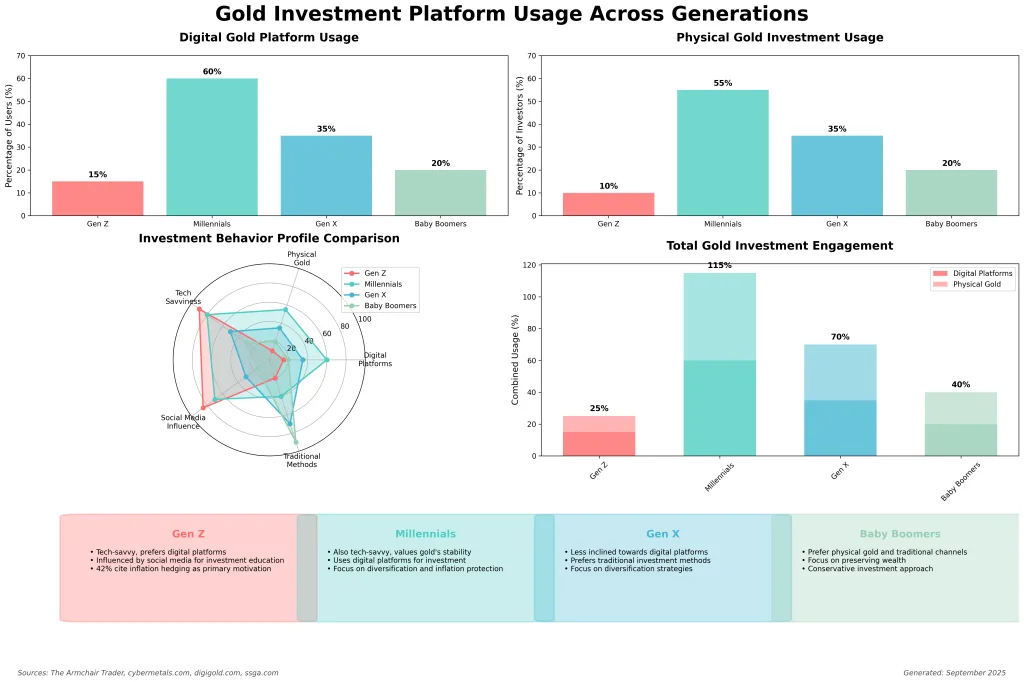
Surveys show Gen Z prefers fintech and mobile banking at far higher rates than older generations, multiple 2024-25 studies report Gen Z’s fintech app adoption and digital-first banking preferences substantially exceed older cohorts. This technological proficiency extends beyond mere convenience, it reflects a fundamental shift in how young investors research, purchase, and manage their portfolios.
Risk-Aware After Crisis Exposure
Unlike previous generations who learned about risk through theory, Gen Z witnessed the 2008 financial crisis during their formative years and lived through COVID-era market volatility as young adults. This exposure created a cohort that’s simultaneously risk-aware and opportunity-focused; they understand that traditional systems can fail, but they’re also eager to build wealth through smart diversification.
Values-Driven Investment Philosophy
Gen Z prioritizes transparency, authenticity, and sustainable investments more than any previous generation. Contrary to previous generations who bought physical gold mainly as jewelry for social status, Gen Z is exploring more flexible and accessible investment options such as digital gold and gold-backed securities. This shift represents a move from gold as ornamentation to gold as intelligent portfolio construction.
Why Gen Z Is Turning to Gold: Five Critical Drivers
1. Distrust in Traditional Finance
The banking crises, persistent inflation, and mounting government debt levels have created profound skepticism about traditional financial institutions among young investors. Gen Z witnessed banks fail, currencies devalue, and retirement accounts evaporate during their impressionable years, leading them to seek assets outside the traditional system.
Gold’s appeal lies not just in its historical performance, but in its independence from government policies and central bank decisions. For a generation that’s watched quantitative easing inflate asset bubbles while their purchasing power declined, gold represents genuine financial sovereignty.
2. The Cryptocurrency Connection
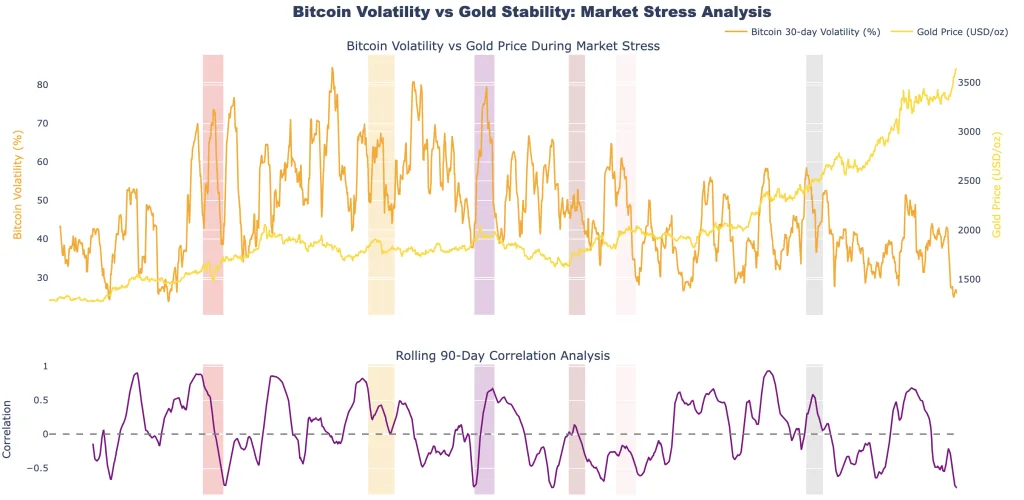
84% of Gen Z investors view cryptocurrency as risky, yet nearly two-thirds (65%) plan to invest in crypto in 2025. This seemingly contradictory behavior reveals sophisticated risk management thinking. Many Gen Z investors entered investing through cryptocurrency, attracted by its revolutionary potential but educated by its extreme volatility.
As crypto markets experienced multiple boom-bust cycles, many young investors discovered gold as the “original store of value”, a hedge against both inflation and crypto volatility. Rather than seeing gold and Bitcoin as competing assets, many Gen Z investors view them as complementary: Bitcoin for explosive growth potential, gold for portfolio stability and protection.
3. Social Media Financial Education Revolution
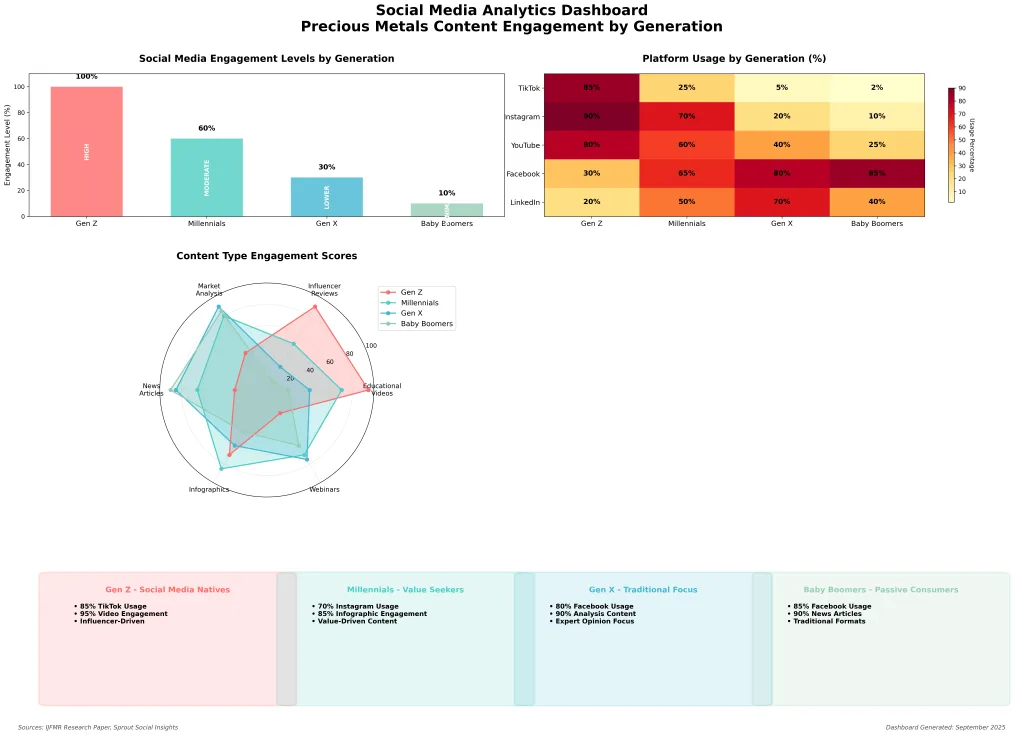
Social media has become a significant source of investment information for younger investors, with FINRA research showing approximately 32% of young investors cite social media as a source of investment information, compared to just 18% of investors overall. Multiple surveys report around 60% of Gen Z using YouTube for financial learning content, highlighting the generational shift in financial education sources.
Social media platforms have democratized precious metals education, with hashtags like #GoldTok, #SilverStacking, and #PreciousMetals generated millions of views. Young investors share their gold purchases, discuss market analysis, and celebrate their stacking achievements online, creating communities that make gold investing social and accessible.
4. Unprecedented Accessibility
Gone are the days when gold investing required significant capital and complex dealer relationships. Modern platforms offer:
- Fractional Ownership: Apps like Vaulted and OneGold allowing gold purchases starting at $5-10
- Digital Gold Platforms: Blockchain-verified gold ownership through tokenized products like Pax Gold (PAXG) without physical storage concerns
- Automated Investing: Dollar-cost averaging programs for consistent accumulation
- Educational Resources: Comprehensive online education about precious metals investing
This accessibility transformation means Gen Z can start building gold positions immediately, learning through small purchases rather than waiting to accumulate large sums for traditional bullion purchases.
5. Cultural and Lifestyle Integration
For Gen Z, gold investment intersects with lifestyle and personal expression in ways previous generations never experienced. Gold jewelry doubles as both fashion statement and investment vehicle, while social media makes gold ownership a form of personal branding.
The sustainability angle particularly appeals to environmentally conscious Gen Z investors, with recycled gold and ethical sourcing becoming important selection criteria. This generation wants investments that align with their values, not just their financial goals.
How Gen Z Is Revolutionizing Gold Investment
Physical Bullion with a Modern Twist
While traditional gold coins and bars remain popular, Gen Z approaches physical ownership differently:
- Small Denomination Preference: Fractional gold coins and small bars for affordability
- Educational Focus: Purchasing diverse products to learn about different mints and specifications
- Social Documentation: Sharing unboxing videos and collection updates online
- Storage Innovation: Using modern vaults and allocated storage programs
Digital-First Gold Platforms
Gen Z is exploring more flexible and accessible investment options such as digital gold and gold-backed securities, embracing technology-driven solutions that older generations might avoid:
- Robo-Advisors: Automated portfolio rebalancing including precious metals allocation
- Mobile Apps: Smartphone-based gold buying, selling, and portfolio tracking
- Blockchain Integration: Digitally verified gold ownership through tokens like Tether Gold and trading
- Social Features: Sharing achievements and strategies within investment apps
Community-Driven Investment Decisions
Unlike older investors who might make isolated decisions, Gen Z leverages online communities for:
- Research Sharing: Collaborative due diligence on dealers and products
- Strategy Discussion: Debating allocation percentages and timing strategies
- Education Exchange: Teaching and learning from peers globally
- Motivation Support: Encouraging consistent investing habits
Challenges and Risks: What Gen Z Gold Investors Must Navigate
Short-Term Mindset vs. Long-Term Value
Generation Z’s digital nativity can sometimes create unrealistic expectations for immediate returns. Gold’s value proposition unfolds over years and decades, not days and weeks. Young investors must resist the temptation to treat gold like a day-trading vehicle, understanding that precious metals serve as portfolio insurance rather than get-rich-quick schemes.
Scam and Fraud Vulnerabilities
The combination of online purchasing and investment enthusiasm creates opportunities for fraudsters targeting young investors. The FTC and CFTC have issued multiple consumer alerts about precious metals scams, including:
- Fake Dealers: Websites mimicking legitimate bullion dealers
- Overpriced Products: Exploitation of inexperience through inflated premiums
- Storage Scams: Fraudulent allocated storage programs
- Social Media Manipulation: Pump-and-dump schemes disguised as education
Information Overload and Analysis Paralysis
The abundance of information can create decision paralysis. Young investors must learn to distinguish between legitimate education and marketing disguised as content, particularly when consuming financial advice from social media sources.
Balancing Protection with Growth
While gold provides portfolio stability, over-allocation can limit growth potential during wealth-building years. Gen Z investors must balance their desire for protection with their need for capital appreciation, ensuring precious metals complement rather than dominate their portfolios.
The Future: Gen Z’s Impact on the Bullion Market
Demographic Transformation Driving Demand
With total Q2 gold demand increasing by 3% year-over-year and younger demographics contributing significantly to sustained demand growth, this generational shift ensures robust long-term demand as wealth transfer from older generations accelerates.
Marketing Evolution in the Digital Age
Bullion dealers and precious metals companies are fundamentally restructuring their marketing approaches:
- Social Media Focus: Instagram, TikTok, and YouTube campaigns replacing traditional advertising
- Influencer Partnerships: Collaborating with financial education content creators
- Gamification Elements: Apps with achievement badges and stacking milestones
- Educational Content: Comprehensive online resources addressing Gen Z’s learning preferences
Technological Innovation Acceleration
Gen Z’s expectations are driving technological advancement throughout the industry:
- Blockchain Verification: Digital certificates of authenticity and ownership
- AI-Powered Analytics: Portfolio optimization including precious metals allocation
- Virtual Reality: 3D product viewing and vault tours
- Cryptocurrency Integration: Seamless trading between digital and physical assets
Market Structure Changes
The influx of tech-savvy young investors is reshaping market structure:
- Fractional Ownership Growth: Platforms enabling micro-investing in precious metals
- Peer-to-Peer Trading: Direct investor-to-investor transaction platforms
- Subscription Models: Automated recurring purchases and portfolio rebalancing
- Integrated Ecosystems: Platforms combining education, purchasing, storage, and selling
Regional Variations in Gen Z Gold Investment
United States: Digital Platform Adoption
American Gen Z investors primarily use digital platforms and ETFs for initial gold exposure, transitioning to physical ownership as investment knowledge and capital increase.
Asia-Pacific: Cultural Heritage Influence
Young investors in countries with strong gold traditions blend cultural familiarity with modern investment approaches. Digital gold platforms in APAC have reported strong year-over-year growth, with some providers experiencing triple-digit user increases, often starting with jewelry before transitioning to investment-grade products.
Europe: Regulatory-Driven Preferences
European Gen Z investors navigate varying tax treatments and regulations, often preferring allocated storage programs and VAT-exempt investment gold.
Emerging Markets: Economic Stability Focus
In countries experiencing currency instability, Gen Z gold investment serves more as economic protection than portfolio diversification, driving higher allocation percentages.
Investment Strategies for Gen Z Gold Investors
Dollar-Cost Averaging Approach
Given gold’s price volatility and young investors’ typically limited capital, systematic accumulation through regular smaller purchases often outperforms attempts to time markets. Monthly allocations of $50-200 can build substantial positions over time while smoothing price volatility.
Diversified Product Strategy
Rather than focusing on single products, successful young gold investors typically diversify across:
- Government Coins: American Eagles, Canadian Maples, Australian Kangaroos for liquidity
- Private Mint Rounds: Lower premiums for pure precious metals exposure
- Small Bars: 1-10 oz bars for cost-effective accumulation
- Fractional Gold: 1/10 oz and 1/4 oz coins for affordability
Technology-Enabled Management
Gen Z investors should leverage technology for:
- Price Tracking: Real-time spot price monitoring and purchase timing
- Portfolio Management: Digital tracking of holdings and performance
- Market Analysis: Technical and fundamental analysis tools
- Tax Optimization: Software for tracking cost basis and tax implications
Comparing Gen Z to Traditional Gold Investors
Investment Motivation Differences
| Traditional Investors | Gen Z Investors |
| Economic collapse preparation | Portfolio diversification |
| Currency devaluation hedge | Inflation protection |
| Physical security focus | Digital integration preference |
| Long-term wealth preservation | Active portfolio management |
| Conservative allocation (10-20%) | Moderate allocation (5-15%) |
Purchase Behavior Contrasts
While millennials show strong precious metals interest, Gen Z’s approach differs significantly from both millennials and older investors in execution and philosophy, emphasizing technology integration and community-driven learning.
Information Source Preferences
While traditional investors rely on financial advisors, economic publications, and dealer recommendations, Gen Z predominantly uses social media, peer networks, and digital resources for investment decisions.
| Generation | Key Sources Used / Trusted for Investment Advice |
|---|---|
| Gen Z | • Social media platforms (YouTube, TikTok, Instagram) are heavily used. • YouTube in particular is widely used and sometimes trusted more than older traditional media. • “Finfluencers” / financial influencers on social media play a role. • Friends, family, peer networks are also sources, though perhaps less formal. |
| Millennials | • Also big on social media, but tend to use a mix of newer sources (blogs, podcasts) and some traditional sources. • Use of professional financial advisors remains significant, particularly for wealthier Millennials. • Traditional investing websites, financial statements, and formal documents are more used by Millennials compared to Gen Z. |
| Gen X & Baby Boomers | • More reliance on traditional media, financial advisors, official reports, newspapers. • Less trust in social media for financial advice; lower usage of TikTok, Instagram for investment decision purposes. • More likely to use online articles, formal financial publications, etc. |
The Role of Economic Education
Financial Literacy Impact
Gen Z’s superior financial literacy compared to previous generations at similar ages enables more sophisticated precious metals strategies. Understanding concepts like real returns, inflation-adjusted performance, and portfolio correlation allows for intelligent allocation decisions.
Economic History Awareness
Young investors today understand monetary history better than previous generations, recognizing gold’s role during currency crises, economic instability, and inflationary periods. This historical perspective informs their modern investment decisions.
Risk Management Evolution
Rather than viewing gold as speculative, educated Gen Z investors understand precious metals as risk management tools, using gold to hedge against portfolio volatility and economic uncertainty.
Technology Integration in Gen Z Gold Investment
Mobile-First Platforms
Successful precious metals companies targeting Gen Z prioritize mobile experiences:
- Intuitive Apps: Streamlined purchasing and portfolio management interfaces
- Push Notifications: Price alerts and investment opportunity notifications
- Social Integration: Sharing achievements and connecting with other investors
- Educational Content: In-app learning resources and market analysis
Cryptocurrency Integration
Many platforms now offer seamless transitions between cryptocurrency and precious metals, appealing to Gen Z investors comfortable with both digital and physical assets.
Artificial Intelligence Applications
AI-powered tools help young investors:
- Optimize Timing: Algorithmic analysis of optimal purchase opportunities
- Portfolio Balancing: Automated rebalancing recommendations
- Risk Assessment: Personalized risk tolerance and allocation suggestions
- Market Education: AI-curated educational content based on investment goals
Environmental and Social Considerations
Sustainable Gold Sourcing
Gen Z’s environmental consciousness extends to precious metals investing:
- Recycled Gold Preference: Choosing recycled bullion over newly mined gold
- Ethical Mining Support: Researching and supporting responsible mining operations
- Carbon Footprint Awareness: Considering environmental impact of storage and shipping
- Social Impact: Understanding mining’s effect on local communities
ESG Integration
Environmental, Social, and Governance considerations increasingly influence Gen Z gold investment decisions, with preference for:
- Certified Refiners: Products from responsible precious metals refiners
- Transparent Supply Chains: Clear documentation of gold’s origin and processing
- Community Impact: Supporting dealers with positive social missions
- Environmental Programs: Companies with carbon offset and sustainability initiatives
Practical Implementation Guide for Gen Z Investors
Starting Your Gold Investment Journey
- Education First: Understand gold’s role in portfolio construction
- Budget Allocation: Determine appropriate precious metals percentage (typically 5-15% for young investors)
- Platform Selection: Choose reputable dealers with Gen Z-friendly features
- Product Diversification: Start with government coins for liquidity and recognition
- Storage Planning: Decide between home storage, safe deposit boxes, or professional vaults
Building a Systematic Approach
- Monthly Purchases: Establish consistent buying habits regardless of price movements
- Price Monitoring: Use apps to track prices but avoid emotional trading
- Record Keeping: Document all purchases for tax and insurance purposes
- Regular Review: Quarterly assessment of allocation and performance
- Community Engagement: Connect with other young precious metals investors
Advanced Strategies for Experienced Investors
- Arbitrage Opportunities: Identifying price differences between dealers and products
- Tax Optimization: Understanding IRA eligibility and tax implications
- International Diversification: Considering foreign coins and storage options
- Leverage Products: Exploring gold mining stocks and ETFs for additional exposure
Market Outlook: Gen Z’s Long-Term Impact
Demand Sustainability
Gen Z’s entry into the gold market represents sustainable long-term demand rather than speculative bubbles. Their systematic approach and long investment horizons suggest steady accumulation over decades.
Price Impact Projections
As wealth transfers to younger generations over the next 20-30 years, their preference for gold investment could provide sustained price support, particularly during economic uncertainties.
Industry Evolution
The precious metals industry will continue adapting to Gen Z preferences through:
- Enhanced Technology: Blockchain integration, AI optimization, and mobile-first experiences
- Improved Accessibility: Lower minimums, fractional ownership, and simplified processes
- Educational Resources: Comprehensive online learning and community building
- Sustainable Practices: Environmental responsibility and ethical sourcing
Common Misconceptions About Gen Z Gold Investment
“They Only Want Digital Assets”
While Gen Z embraces technology, their gold investment demonstrates appreciation for tangible value and physical assets as portfolio protection.
“They’re Too Risk-Seeking for Gold”
Gen Z’s gold interest reveals sophisticated risk management thinking, using precious metals to balance higher-risk investments like cryptocurrency and growth stocks.
“They Don’t Understand Traditional Value”
Gen Z’s gold adoption shows they recognize timeless value stores while demanding modern accessibility and integration.
“It’s Just a Social Media Trend”
The systematic approach and educational focus of Gen Z gold investment suggests genuine understanding rather than social media-driven speculation.
Risks and Risk Management for Young Gold Investors
Market Risk Mitigation
- Diversification: Avoiding over-concentration in precious metals
- Time Horizon: Understanding gold’s long-term performance characteristics
- Volatility Acceptance: Recognizing short-term price swings as normal
- Economic Cycle Awareness: Understanding gold’s performance across different economic conditions
Operational Risk Management
- Dealer Verification: Researching and verifying dealer credentials through BBB and industry associations
- Product Authentication: Understanding how to identify genuine precious metals
- Storage Security: Implementing appropriate security measures for physical holdings
- Insurance Considerations: Protecting investments against theft and loss
Financial Risk Assessment
- Liquidity Planning: Maintaining easily accessible emergency funds outside precious metals
- Opportunity Cost: Balancing gold allocation against growth investments during wealth-building years
- Tax Implications: Understanding precious metals tax treatment in your jurisdiction
- Estate Planning: Incorporating precious metals into long-term wealth transfer strategies
Global Economic Context and Gen Z Gold Investment
Monetary Policy Impact
Current global monetary policies create favorable conditions for Gen Z gold investment:
- Low Interest Rates: Reducing opportunity cost of non-yielding assets
- Quantitative Easing: Increasing money supply and inflation concerns
- Currency Debasement: Undermining fiat currency purchasing power
- Debt Monetization: Creating systemic risks in traditional financial assets
Geopolitical Considerations
Young investors recognize gold’s role as geopolitical insurance:
- Trade War Impact: Gold as hedge against economic nationalism
- Currency Wars: Protection against competitive devaluation
- Political Instability: Safe haven during governmental transitions
- International Tensions: Neutral asset during global conflicts
Technological Disruption Effects
While technology creates new investment opportunities, it also generates risks that gold can hedge:
- Cyber Security: Physical assets as protection against digital vulnerabilities
- System Failures: Tangible backup for digital wealth
- Privacy Concerns: Anonymous wealth storage alternative
- Infrastructure Dependencies: Independent value store
Building Wealth Across Generations: Gold’s Role in Family Financial Planning
Intergenerational Wealth Transfer
Gen Z gold investment often connects with family wealth strategies:
- Education: Learning from older family members with precious metals experience
- Gifting: Gold as meaningful gifts between generations
- Estate Planning: Incorporating precious metals in long-term wealth transfer
- Cultural Connection: Maintaining family traditions around precious metals ownership
Teaching Financial Responsibility
Gold investment provides practical financial education:
- Saving Discipline: Regular purchases encourage consistent saving habits
- Value Understanding: Tangible assets help understand real vs. nominal value
- Economic Education: Gold ownership provides context for monetary policy and economics
- Long-term Thinking: Precious metals encourage patient investment approaches
Conclusion: The Golden Generation’s Investment Revolution
The emergence of Gen Z as a significant force in precious metals investing represents more than demographic change, it signals a fundamental shift in how young people think about money, value, and financial security. With 30% of Gen Z starting to invest in early adulthood and demonstrating unprecedented financial sophistication, this generation brings remarkable investment acumen to the gold market.
Their approach combines respect for gold’s timeless value proposition with modern accessibility and digital integration. Rather than viewing precious metals as outdated relics, Gen Z recognizes gold as essential portfolio protection in an era of unprecedented monetary experimentation, geopolitical uncertainty, and technological disruption.
The numbers tell a compelling story: with gold demand continuing strong performance and younger demographics contributing meaningfully to market dynamics, the trend appears sustainable. As social media becomes an increasingly important source of financial education, they’re creating entirely new pathways for precious metals education and adoption.
This golden generation isn’t abandoning modern investment tools, they’re integrating precious metals with cryptocurrency, ETFs, and digital platforms to create sophisticated portfolios that honor both innovation and tradition. Their systematic approach, community-driven learning, and technology-enabled execution suggest that Gen Z gold investment represents sustainable long-term demand rather than speculative enthusiasm.
For the precious metals industry, this generational shift demands adaptation: mobile-first platforms, educational content, social integration, and sustainable practices. Companies that successfully serve Gen Z investors will thrive as wealth transfers accelerate over the coming decades.
The message from Gen Z’s gold adoption resonates clearly: in an age of digital everything, physical value still matters. Their investment approach demonstrates that being digitally native doesn’t mean abandoning tangible assets, it means accessing them more intelligently. As these young investors mature and their wealth compounds, their early embrace of gold will likely prove prescient.
For financial advisors, parents, and industry professionals, Gen Z’s gold investment trend offers important insights into the future of wealth management. This generation values authenticity, demands accessibility, expects education, and requires integration with their digital-first lifestyle. Meeting these expectations will determine success in serving tomorrow’s affluent investors.
The golden generation has spoken: precious metals aren’t relics of the past, but essential tools for navigating an uncertain future. Their systematic approach to gold investment, combining traditional wisdom with modern execution, may well define successful wealth building for decades to come.
At Bullion Trading LLC, we recognize the unique needs of Gen Z investors seeking to incorporate precious metals into their portfolios. Our comprehensive selection of gold bullion, silver products, and educational resources supports the next generation of precious metals investors with the accessibility and expertise they demand.
