

The universal allure of precious metals transcends geographical boundaries, yet manifests in remarkably distinct ways across cultures. While Western investors scrutinize gold spot prices and ETF performance, an Indian bride prepares her wedding trousseau with 22-karat jewelry passed down through generations. As Latin American artisans craft intricate silver religious artifacts honoring centuries-old traditions, Chinese families quietly accumulate gold bars as insurance against economic uncertainty.
Understanding how different cultures perceive and utilize precious metals reveals not just investment opportunities, but fundamental truths about human values, traditions, and the enduring nature of real wealth. This cultural kaleidoscope of precious metal appreciation shapes global demand patterns, influences price movements, and creates investment dynamics that purely economic analysis often overlooks.
From the gold souks of Dubai to the silver mines of Peru, from African ceremonial adornments to Asian festival purchases, the cultural value of gold and silver extends far beyond their market prices. These metals serve as bridges between past and future, vessels of cultural identity, and universal languages of value that speak to something deeper than mere financial calculation.
The Asian Powerhouse: Gold as Life’s Foundation
India: Where Gold Defines Sacred Moments
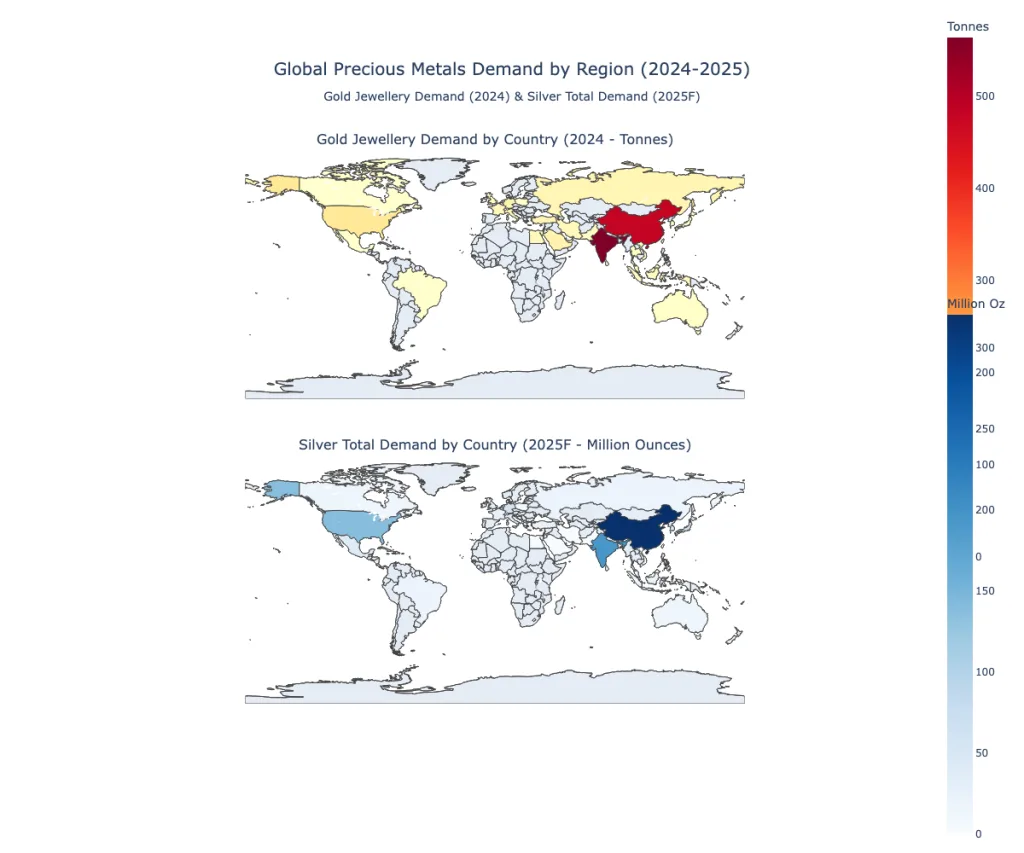
India’s relationship with gold transcends investment strategy, embedding itself in the nation’s spiritual and social fabric. With annual gold consumption exceeding 700 tonnes, India remains the world’s second-largest gold consumer, driven primarily by cultural rather than investment demand.
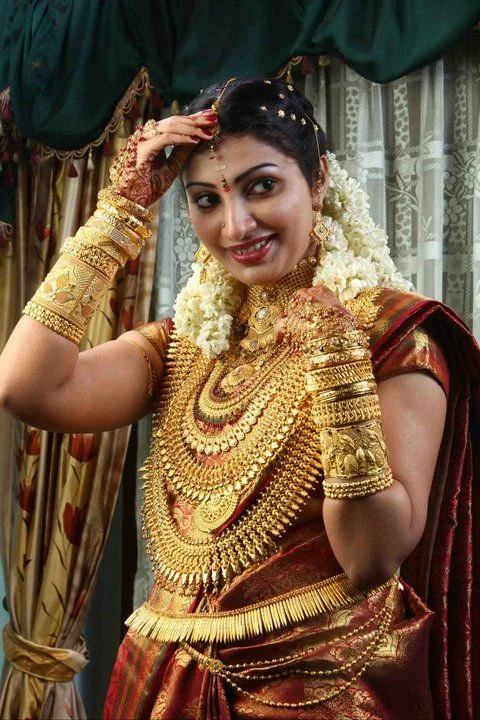
The Indian wedding season, particularly during the auspicious period of Akshaya Tritiya, witnesses families purchasing gold not as speculation but as sacred duty. Indian households collectively hold over 25,000 tonnes of gold. This cultural stockpiling creates a unique market dynamic where traditional Indian jewelry often contains 22-karat gold, significantly purer than Western jewelry standards.
Modern Indian wedding jewelry trends in 2025 blend heritage with contemporary design. Antique gold necklaces paired with sleek accents represent the evolution of tradition, while families continue viewing gold gifts as investments in their children’s future security. The practice of “streedhan”, a woman’s exclusive wealth through gold jewelry, provides financial independence and security across generations.
The cultural significance extends beyond weddings. During Diwali, purchasing gold symbolizes inviting Lakshmi, the goddess of wealth, into one’s home. Even small gold coins bearing religious symbols serve as popular gifts, maintaining gold’s position as both spiritual talisman and practical asset.
China: The Dragon’s Treasure Evolves
China’s gold market represents a fascinating blend of ancient tradition and modern investment sophistication. As the world’s largest gold consumer, China’s demand patterns reveal deep cultural programming that survived even decades of communist rule discouraging private gold ownership.
Chinese wedding traditions mandate specific gold jewelry pieces that carry profound symbolic meaning. The “Dragon and Phoenix Bangles” represent perfect marital harmony, while the “Four Pieces of Gold” gifted by Hokkien families ensure prosperity for newlyweds. The tradition of “San Jin” (three golds) or “Wu Jin” (five golds), referring to gold necklaces, earrings, rings, bracelets, and anklets, remains essential for marriage ceremonies.
The Chinese saying “Having a woman in your home is like gold” manifests literally through elaborate gold gifts demonstrating family wealth and generosity. Even the famous gold pig necklace worn by many Chinese brides symbolizes fertility and abundance, with families often passing these pieces through generations as heirlooms.
Beyond weddings, Chinese New Year sees massive gold purchasing as gifts symbolizing wishes for prosperity. The Chinese gold Panda coins, changing design annually, have become globally sought-after collectibles combining investment value with cultural significance.
Japan: Precious Metals in Technological Harmony
Japan’s approach to precious metals uniquely balances traditional reverence with technological innovation. While lacking the ostentatious gold displays of other Asian cultures, Japan integrates precious metals into daily life through technology and subtle artistic expression.
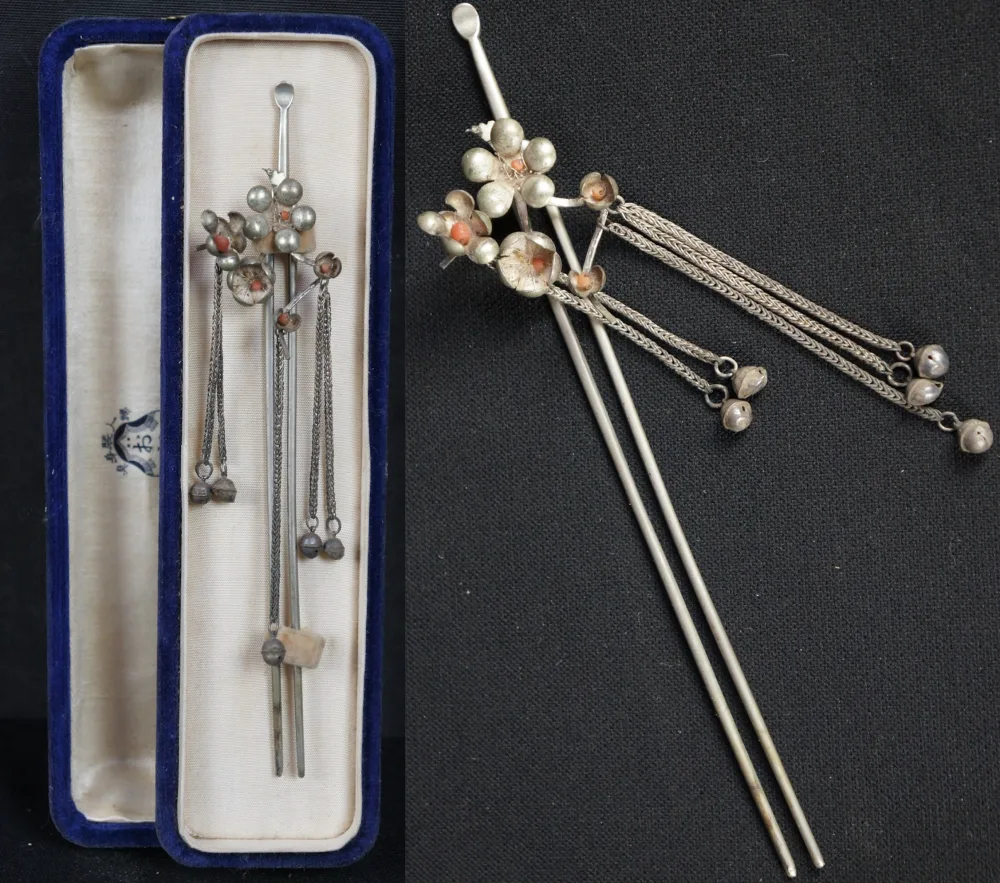
The Japanese concept of “wabi-sabi”, finding beauty in imperfection, influences their precious metals aesthetics. Silver’s natural tarnishing process is appreciated rather than prevented, with traditional silver jewelry developing unique patinas considered beautiful.
Japan’s electronics industry consumes substantial quantities of gold and silver for technological applications, creating a different cultural value proposition. The nation’s sophisticated recycling programs extract precious metals from electronic waste, demonstrating respect for these materials’ inherent value beyond ornamentation.
Middle Eastern Perspectives: Gold as Heritage and Security
The Gulf States: Displaying Prosperity
The Middle East’s relationship with gold reflects both Islamic traditions and regional wealth from petroleum resources. Gold remains a traditional symbol passed through generations, with Middle Eastern jewelry featuring elaborate designs significantly heavier than Western preferences.
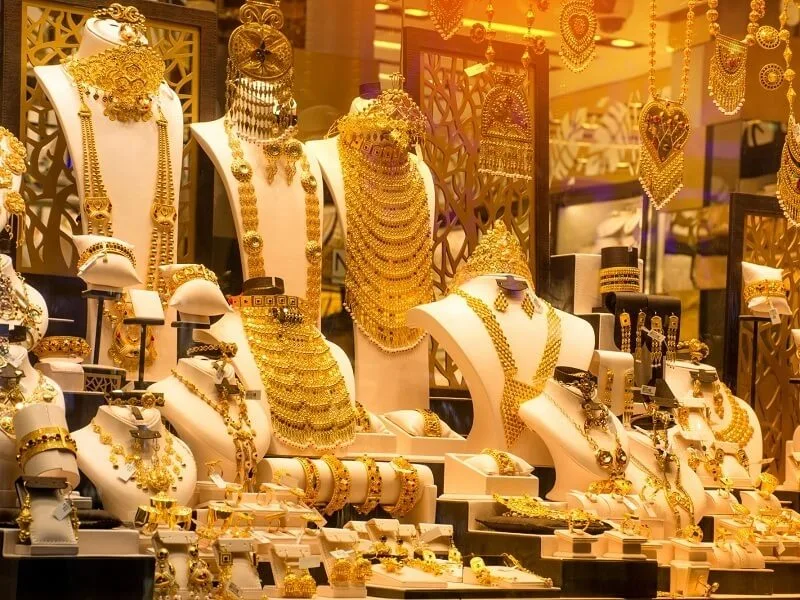
In Saudi Arabia and the United Arab Emirates, gold souks (markets) remain central to economic and social life. The tradition of “mahr”, the mandatory payment from groom to bride, often involves substantial gold jewelry, providing women with financial security independent of their husbands. This practice creates consistent gold demand regardless of market prices.
The region’s gold jewelry typically features 21-karat or 22-karat purity, with weight often prioritized over design intricacy. This preference for high-purity, heavy gold pieces effectively creates portable wealth storage that can be quickly liquidated during emergencies.
Dubai has emerged as a global gold trading hub, with the Dubai Gold Souk handling over $75 billion in gold trades annually. The emirate’s strategic position between Asian producers and Western markets, combined with favorable regulations, has created a unique cultural blend where traditional Middle Eastern gold appreciation meets modern commodity trading.
Turkey: Bridging East and West
Turkey’s precious metals culture uniquely bridges European and Asian traditions. The Turkish gold coin tradition, where gold coins are pinned to brides during weddings, creates predictable seasonal demand spikes. These “Republic Gold Coins” (Cumhuriyet Altını) serve as both wedding gifts and inflation hedges in an economy historically plagued by currency volatility.
Turkish bazaars maintain the Ottoman Empire’s legacy of intricate gold craftsmanship, with techniques passed through generations of artisan families. The Grand Bazaar in Istanbul, operating since 1461, houses over 300 gold shops, making it one of the world’s oldest continuously operating gold markets.
The Americas: Investment Culture Meets Indigenous Heritage
North America: The Shift to Digital Gold
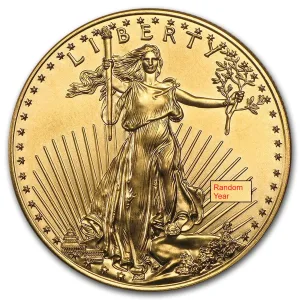
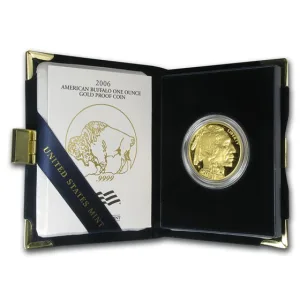
The United States and Canada primarily view precious metals through an investment lens, with American Gold Eagles and Canadian Maple Leafs serving as portfolio diversification tools rather than cultural artifacts. However, this investment-focused approach still creates substantial demand, with the U.S. Mint selling over 1 million ounces of gold coins annually.
1 oz Gold Coin Values
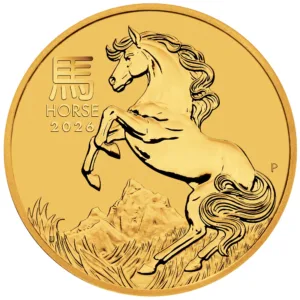
Australian Lunar Series III 2026 Year of the Horse 1oz Gold Bullion Coin
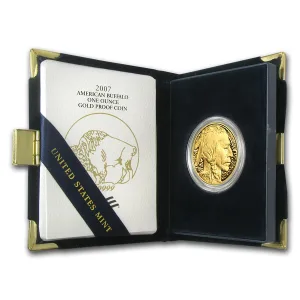
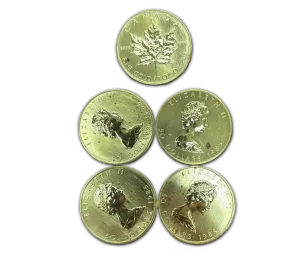
1 oz Canadian Maple Leaf Gold Coin .9999 Fine - Random Year (Abrasions/Marks)
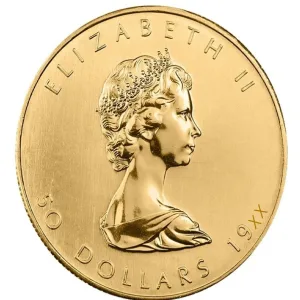
1 oz Canadian Maple Leaf Gold Coin .999 Fine - Random Year (Abrasions)

Australian Lunar Series III 2025 Year of the Snake 1oz Gold Bullion Coin
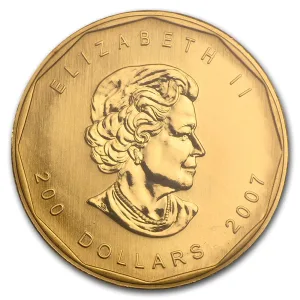
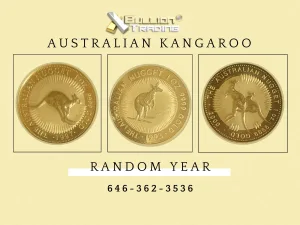
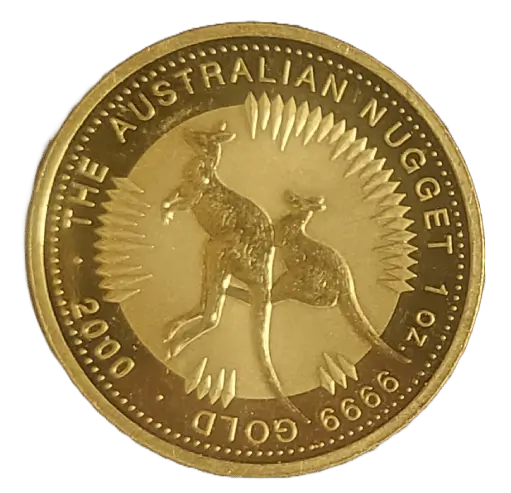
American precious metals culture emphasizes security features and authenticity over artistic expression. The Royal Canadian Mint’s DNA anti-counterfeiting technology and micro-engraved security marks reflect North American priorities of verification and trust over traditional symbolism.
Indigenous North American cultures maintain distinct precious metals traditions. Native American silversmiths, particularly Navajo and Hopi artisans, create silver jewelry incorporating turquoise and traditional designs. These pieces carry spiritual significance beyond monetary value, with specific patterns representing clan affiliations, spiritual beliefs, and personal medicine.
Latin America: Colonial Legacy and Modern Reality
Latin America’s relationship with precious metals carries historical weight from Spanish colonial exploitation of silver mines like Potosí. Modern Latin American countries balance their roles as major silver producers with domestic cultural uses.
Mexico, the world’s largest silver producer, maintains strong domestic silver jewelry traditions. The town of Taxco, designated a “Pueblo Mágico” (Magic Town), specializes in silver craftsmanship, with hundreds of workshops producing both traditional and contemporary designs. Mexican silver jewelry often incorporates pre-Columbian motifs, connecting modern pieces to indigenous heritage.
Peru and Chile, major gold and silver producers, have developed “resource nationalism” approaches, demanding greater domestic benefits from precious metals extraction. This has created interesting dynamics where countries simultaneously embrace precious metals as national resources while their populations often prefer U.S. dollars for savings due to currency instability.
European Sophistication: From Royal Treasures to Modern Reserves
Western Europe: Institutional Heritage
European precious metals culture emphasizes institutional over individual holdings. Germany’s gold repatriation program, bringing home gold reserves stored abroad since World War II, reflects deep cultural memory about monetary stability and national sovereignty.
The Swiss gold refining industry, processing 70% of the world’s gold, has created a unique cultural position where discretion and precision in precious metals handling become national characteristics. Swiss gold bars command premium prices globally due to their reputation for quality and authenticity.
50 Gram PAMP Suisse Gold Bar
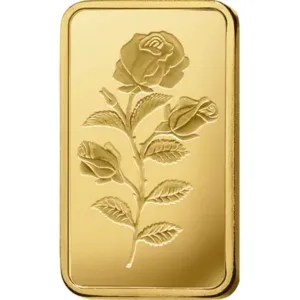
European royal families maintain substantial precious metals holdings in ceremonial objects. The British Crown Jewels, containing over 23,000 precious stones and substantial gold, represent national identity beyond monetary value. These collections influence public perception of precious metals as symbols of continuity and stability.
Eastern Europe: Post-Soviet Dynamics
Eastern European countries demonstrate unique precious metals dynamics shaped by communist-era restrictions and post-Soviet economic transitions. Russia’s aggressive gold accumulation, with central bank reserves exceeding 2,300 tonnes, reflects both economic strategy and cultural memories of currency collapses.
Poland and Hungary have repatriated gold reserves, with public support reflecting cultural beliefs about precious metals providing security against political and economic uncertainty. The tradition of gifting gold coins for religious confirmations and weddings has resurged after decades of suppression.
African Perspectives: Source and Symbolism
South Africa: The Krugerrand Legacy
South Africa’s relationship with gold is inextricably linked to its history and economy. The Krugerrand, first minted in 1967, became the world’s most traded gold coin, creating a unique situation where a nation’s currency gained global recognition through gold rather than paper money.
1 oz South African Gold Krugerrand coin
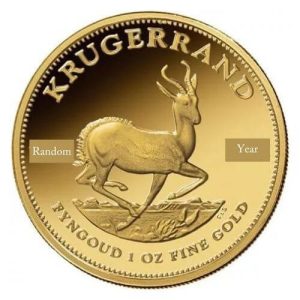
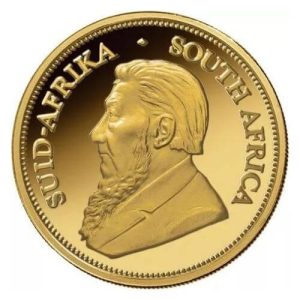
South African mining culture has created distinct traditions around gold, with mine workers developing elaborate dance traditions and songs related to gold extraction. The phrase “gold widow” entered the language, referring to women whose husbands spent months in distant mines, highlighting gold’s social costs alongside its economic benefits.
The nation’s “Ubuntu” philosophy, emphasizing collective prosperity, influences attitudes toward precious metals wealth, with successful individuals expected to share fortune with extended family and community. This creates different savings and investment patterns compared to individualistic Western approaches.
West Africa: Ancient Kingdoms to Modern Markets
West African gold traditions predate European contact by centuries. The Ghana Empire (not modern Ghana) was known as the “Land of Gold” to medieval Arab traders. Modern West African countries maintain vibrant gold jewelry traditions, with distinctive techniques like filigree work commanding premium prices.
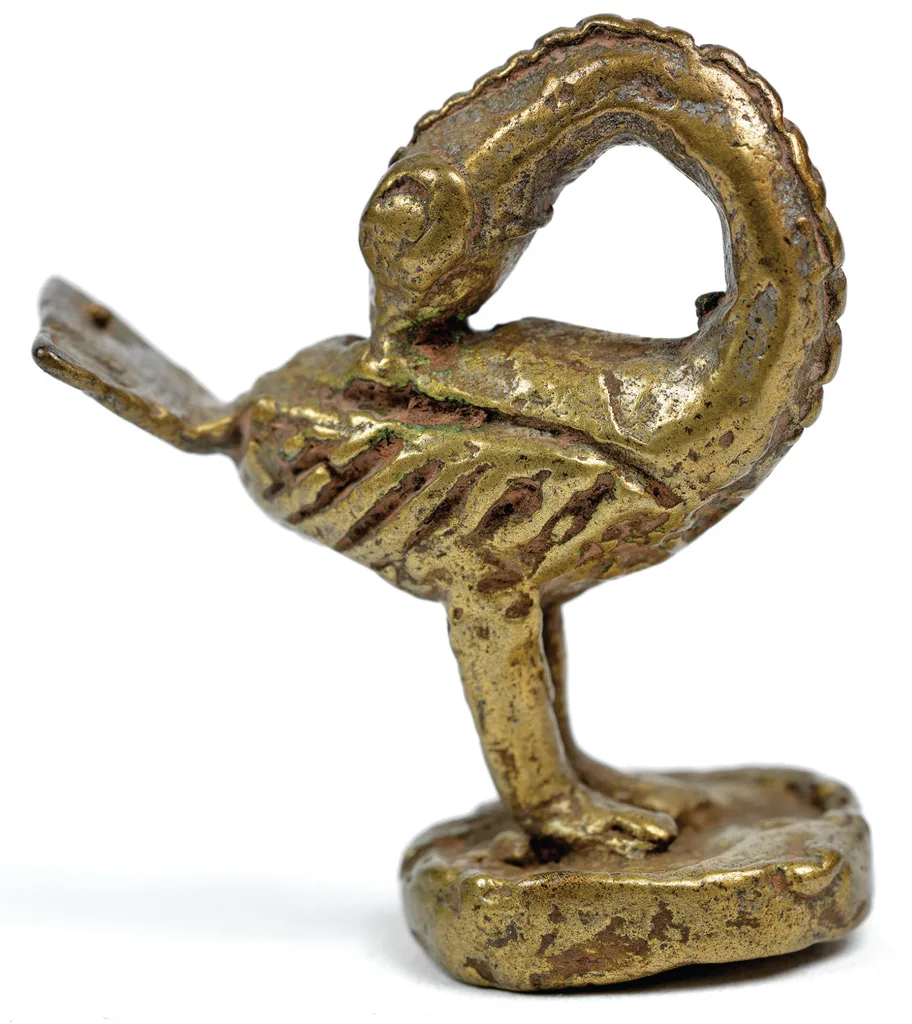
Ghana’s Ashanti gold weights, small brass figures used for measuring gold dust, have become valuable collectibles representing the sophisticated pre-colonial economic systems. Contemporary Ghanaian and Nigerian gold jewelry often incorporates these traditional motifs, connecting modern pieces to historical legacy.
The concept of “bride price” paid in gold remains common across West Africa, creating consistent domestic demand. However, this tradition increasingly conflicts with modern feminist movements, creating interesting cultural negotiations around precious metals’ role in marriage.
Conclusion: The Enduring Cultural Power of Precious Metals
The cultural significance of gold and silver extends far beyond their roles as investment vehicles or industrial commodities. From Indian wedding traditions to Chinese New Year gifts, from Middle Eastern dowries to Native American spiritual symbols, precious metals remain woven into humanity’s most important moments and deepest beliefs.
This cultural foundation provides remarkable stability to precious metals markets. While stock markets can crash on algorithm glitches and cryptocurrencies swing wildly on tweets, the cultural demand for gold and silver remains steady, anchored in traditions spanning millennia. An Indian bride will still want gold jewelry regardless of Federal Reserve policies, and Chinese families will still gift gold during Spring Festival independent of dollar strength.
For investors, understanding these cultural dimensions offers both practical advantages and deeper appreciation for their holdings. The gold coin in your portfolio isn’t just a hedge against inflation, it’s connected to vast cultural networks valuing these metals for reasons beyond spreadsheets and charts.
The future of precious metals will continue evolving as cultures adapt to technological change and environmental challenges. Yet the fundamental human attraction to gold and silver, their beauty, permanence, and universal recognition, ensures their cultural significance will endure, providing a foundation for value that transcends temporary market fluctuations and spans generations of human experience.
At Bullion Trading LLC, we recognize that every piece of gold and silver carries cultural stories alongside investment potential. Whether you’re drawn to precious metals for portfolio diversification, cultural significance, or both, understanding the global tapestry of value enhances both investment success and appreciation for these timeless assets.
