
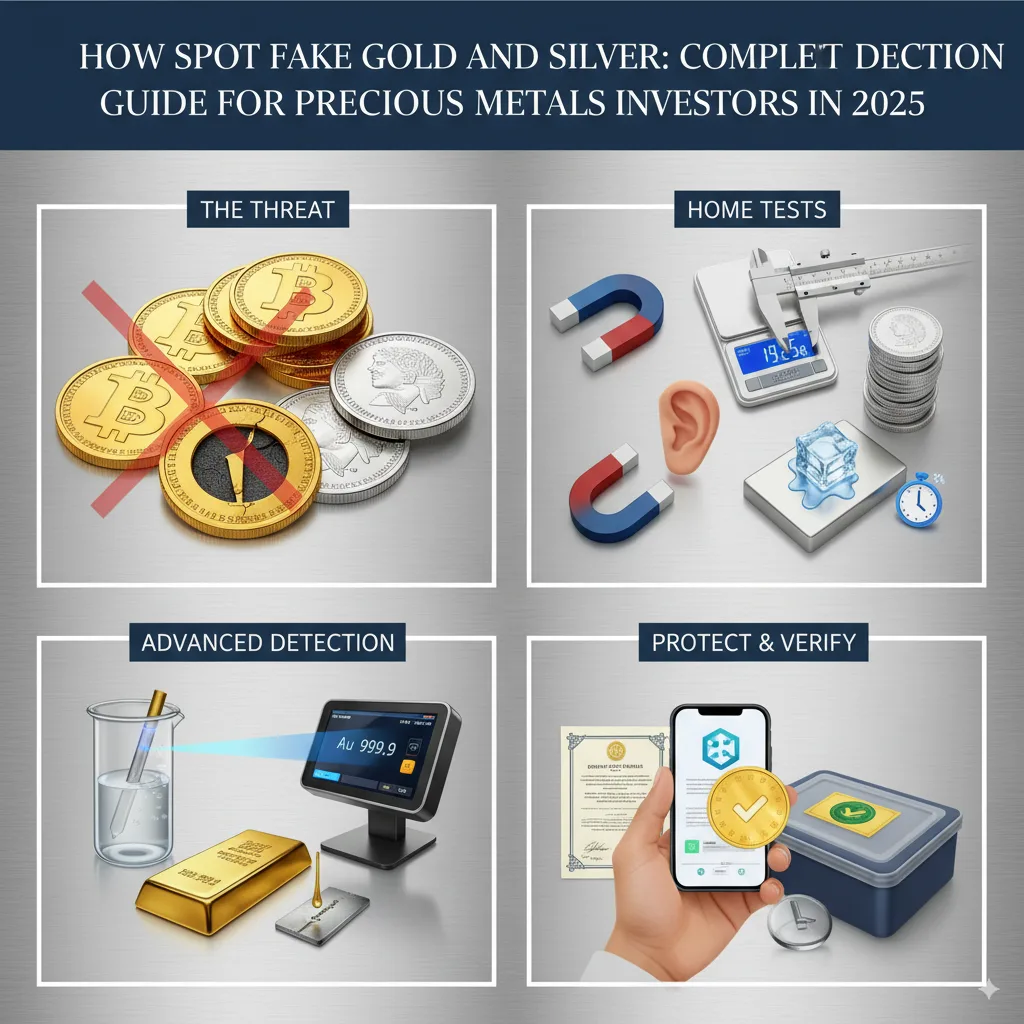

The precious metals market has witnessed an unprecedented surge in counterfeiting sophistication, with fake gold and silver products becoming increasingly difficult to detect. As counterfeiters increasingly use tungsten cores with gold plating, making detection particularly challenging because tungsten’s density (19.25 g/cm³) is remarkably close to gold’s 19.32 g/cm³, investors face greater risks than ever before. With gold reaching historic highs above $3,750 per ounce in September 2025 and silver maintaining strong demand, the incentive for fraudsters has never been higher.
This comprehensive guide arms you with the knowledge and techniques needed to protect your precious metals investments from sophisticated counterfeits that have flooded the market. Whether you’re a seasoned collector or new to bullion investing, understanding these detection methods could save you thousands of dollars and preserve the integrity of your portfolio.
The Rising Threat of Precious Metals Counterfeiting
Understanding Modern Counterfeiting Techniques
The counterfeiting landscape has evolved dramatically from crude fakes that were easily spotted to sophisticated replicas requiring advanced detection methods. Counterfeiters of gold coins prefer to use tungsten for the core because its weight is close to gold. Whereas, most fake silver coins have centers of lead or copper or layers of both.
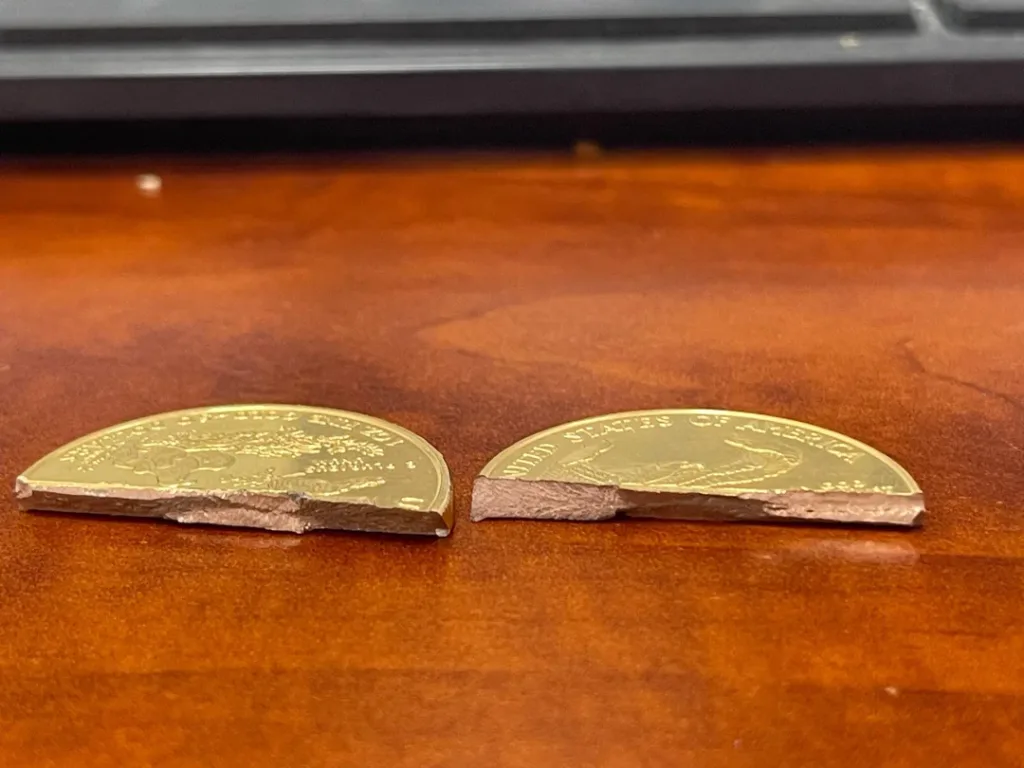
Today’s counterfeiters employ cutting-edge technology including:
- High-precision CNC machining for exact dimensional replication
- Advanced metallurgy creating alloys with similar properties to genuine metals
- Sophisticated plating techniques producing convincing surface appearances
- Professional packaging and documentation forgery
Why Traditional Detection Methods Are Becoming Obsolete
Magnet tests still catch many crude fakes with iron or steel fillers, but they will not detect tungsten or other non-ferrous cores. They remain useful as a first-pass screen, but never a definitive test. While basic magnet tests once effectively identified obvious fakes, modern counterfeiters have adapted their techniques to pass these simple tests, necessitating more comprehensive verification approaches.
The economics driving this sophistication are straightforward: with precious metals at elevated prices, even small-scale counterfeiting operations can generate substantial profits. A single fake one-ounce gold coin sold at market price represents over $3,750 in fraudulent gain, making investment in sophisticated counterfeiting equipment financially viable for criminals.
Essential Home Testing Methods: Your First Line of Defense
1. The Weight and Dimension Test
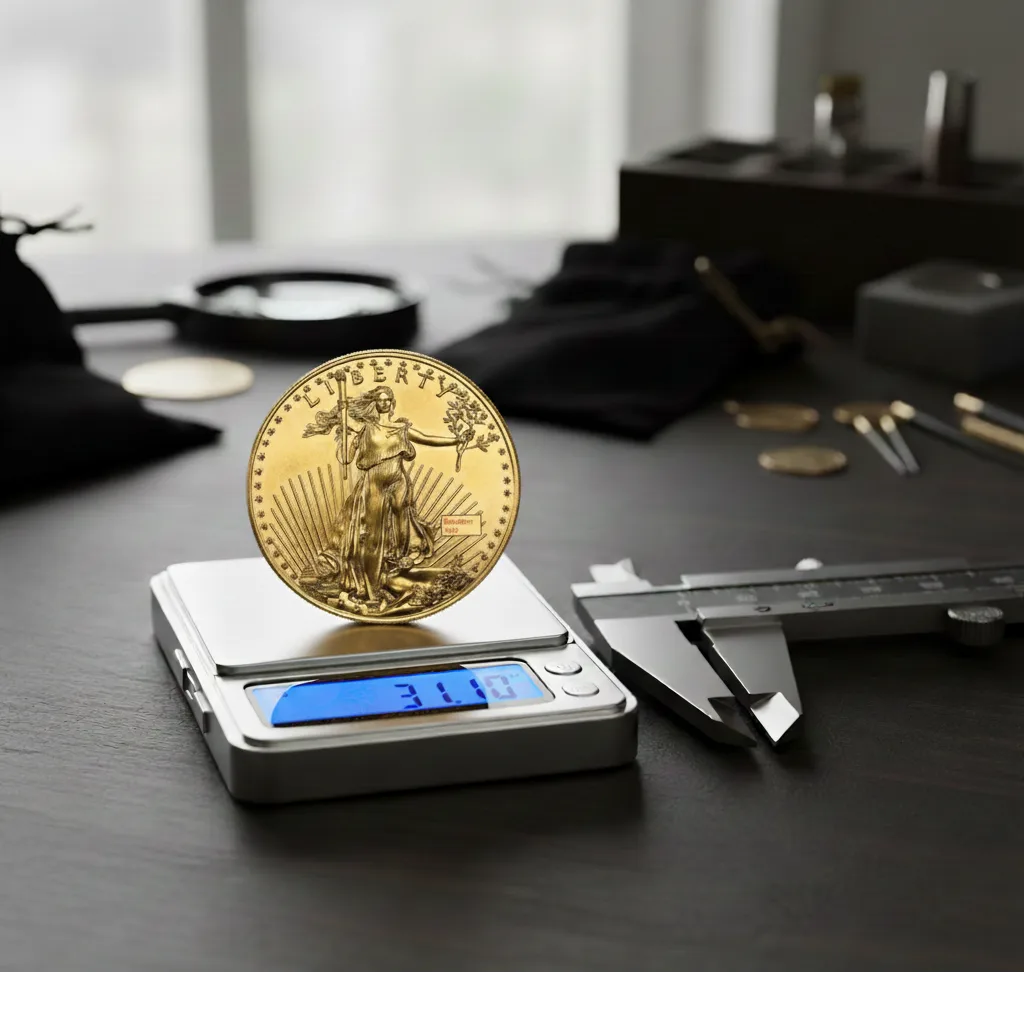
Gold has a very specific relationship between its weight and physical measurements. By using a digital weighing scale and a caliper, you can check whether an item’s weight and thickness match what you’d expect from genuine gold. This fundamental test exploits the unique density of precious metals that counterfeiters struggle to replicate perfectly.
Implementation Steps:
- Use a precision digital scale accurate to 0.01 grams
- Measure dimensions with calipers to 0.01mm accuracy
- Compare results to official mint specifications
- Calculate density using weight/volume formula
- Cross-reference with known density values (Gold: 19.32 g/cm³, Silver:10.49 g/cm³)
2. The Magnet Test (With Modern Limitations)
Try to pick your gold coin up with a magnet. If you are able to, you know that your coin, bar, or jewellery is made from, or at least contains, one or several other metals. While this test remains useful for identifying crude fakes, sophisticated counterfeits may pass this basic screening.
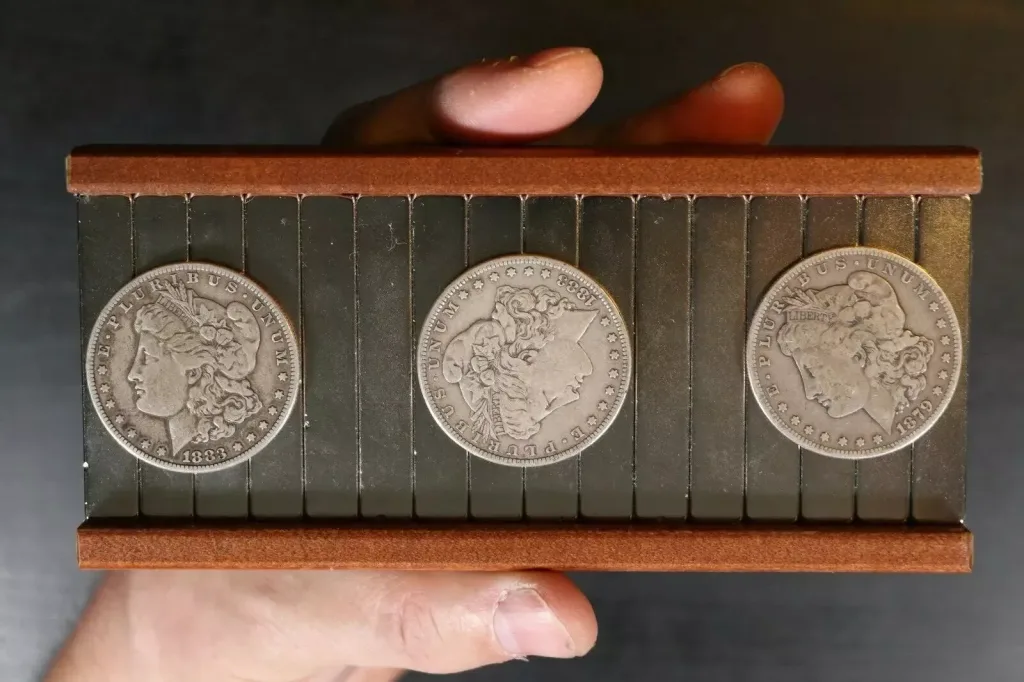
Enhanced Magnet Testing Protocol:
- Use powerful neodymium magnets for maximum sensitivity
- Perform the slide test on inclined surfaces
- Observe magnetic field interaction patterns
- Note any unusual attraction or repulsion
- Combine with other tests for comprehensive verification
3. The Ping Test for Sonic Verification
The Ringer can also be used to check 1oz silver coins as a different composition of metal/s used to make a fake will give a different ring tone to that of a genuine coin. Each precious metal produces a distinctive sound frequency when struck, providing an acoustic fingerprint difficult to replicate.
Conducting the Ping Test:
- Balance coin on fingertip or use specialized testing frame
- Strike gently with another coin or non-metallic object
- Listen for sustained, clear ringing tone
- Compare to known genuine examples
- Use smartphone apps for frequency analysis
4. The Ice Cube Test for Silver
The Ice Cube Test—The idea is to place an ice cube on silver items to observe rapid melting due to silver’s exceptional thermal conductivity. Genuine silver conducts heat approximately twice as effectively as most common metals, causing ice to melt noticeably faster.
Test Procedure:
- Place items at room temperature for consistency
- Position identical ice cubes simultaneously on test pieces
- Observe melting rates over 30-60 seconds
- Genuine silver shows dramatically accelerated melting
- Document results with time-lapse photography for clarity
5. Visual Inspection Fundamentals
One of the easiest ways to determine if a piece of gold is real is to look for hallmarks. Most authentic gold items will have a stamp that indicates their karat value. However, visual inspection extends beyond simple hallmark verification.
Comprehensive Visual Checklist:
- Examine hallmarks under magnification for clarity and depth
- Inspect edge reeding for consistent spacing and definition
- Analyze surface texture for appropriate mint luster
- Check for color consistency throughout the piece
- Verify anti-counterfeiting features specific to each mint
Advanced Testing Methods for Serious Investors
Professional Electronic Testing
X-Ray Fluorescent (XRF) scanning technology is an excellent and efficient way to determine the purity of a precious metal’s product. This technology scans an item and identifies its different layers and exact composition. XRF analyzers represent the gold standard in non-destructive precious metals verification.
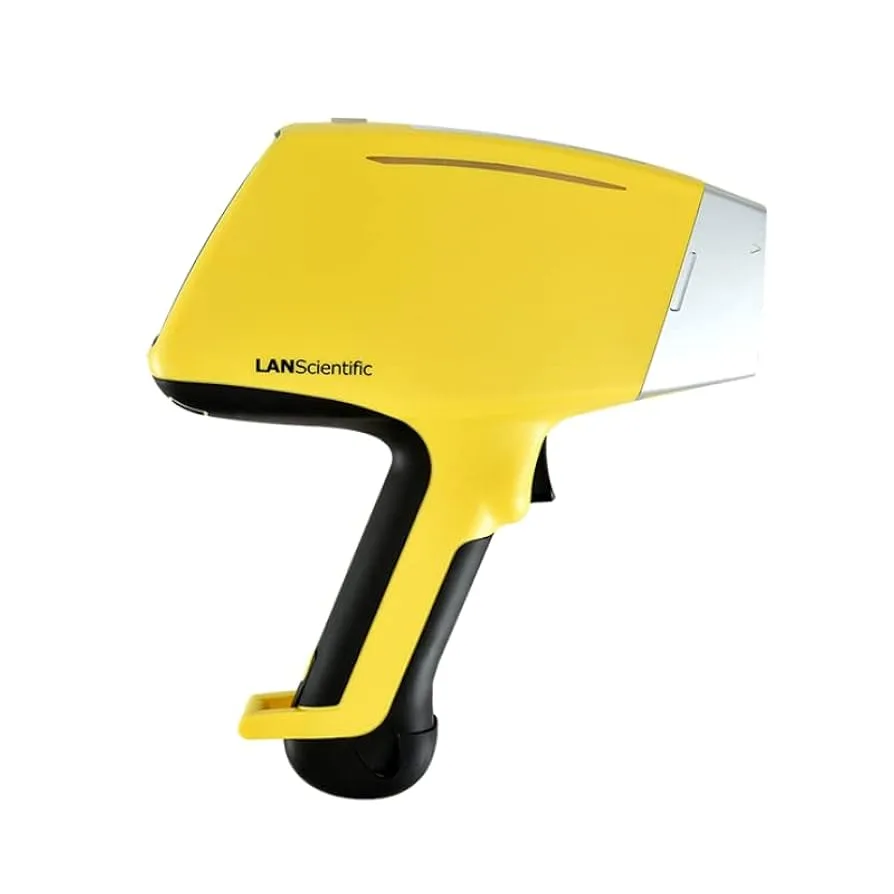
Electronic Testing Options:
- Sigma Metalytics Precious Metal Verifiers ($800–$1,500)
- XRF Analyzers ($15,000-$50,000 for professional models)
- Electronic gold testers using conductivity measurement ($200-$500)
- Ultrasonic thickness gauges for detecting plated items ($500-$1,000)
Specific Gravity Testing
While basic tests like the magnet test and ping test can quickly identify obvious fakes, more sophisticated counterfeits require advanced methods such as specific gravity testing. This scientific approach measures density through water displacement, providing accurate verification without damage.
Specific Gravity Testing Protocol:
- Weigh item in air (dry weight)
- Suspend item in distilled water
- Record submerged weight
- Calculate: Specific Gravity = Dry Weight ÷ (Dry Weight – Wet Weight)
- Compare to known values: Gold = 19.32, Silver = 10.49
Chemical Testing (Destructive Method)
Nitric-acid testing can reveal base metals beneath plating, but it is destructive, surface-only, and may miss thickly plated counterfeits. Always use proper PPE and ventilation, and treat this as a last-resort method or leave it to professionals.
How it works:
- A small scratch is made on the surface of the item, ideally in an inconspicuous spot.
- A drop of nitric acid is applied to the exposed area.
- Reactions are observed:
- No reaction: the piece is likely genuine high-purity gold.
- Green fizzing reaction: indicates a base metal (such as copper, brass, or nickel) under plating.
- Milky reaction: may indicate a lower karat gold alloy or silver content.
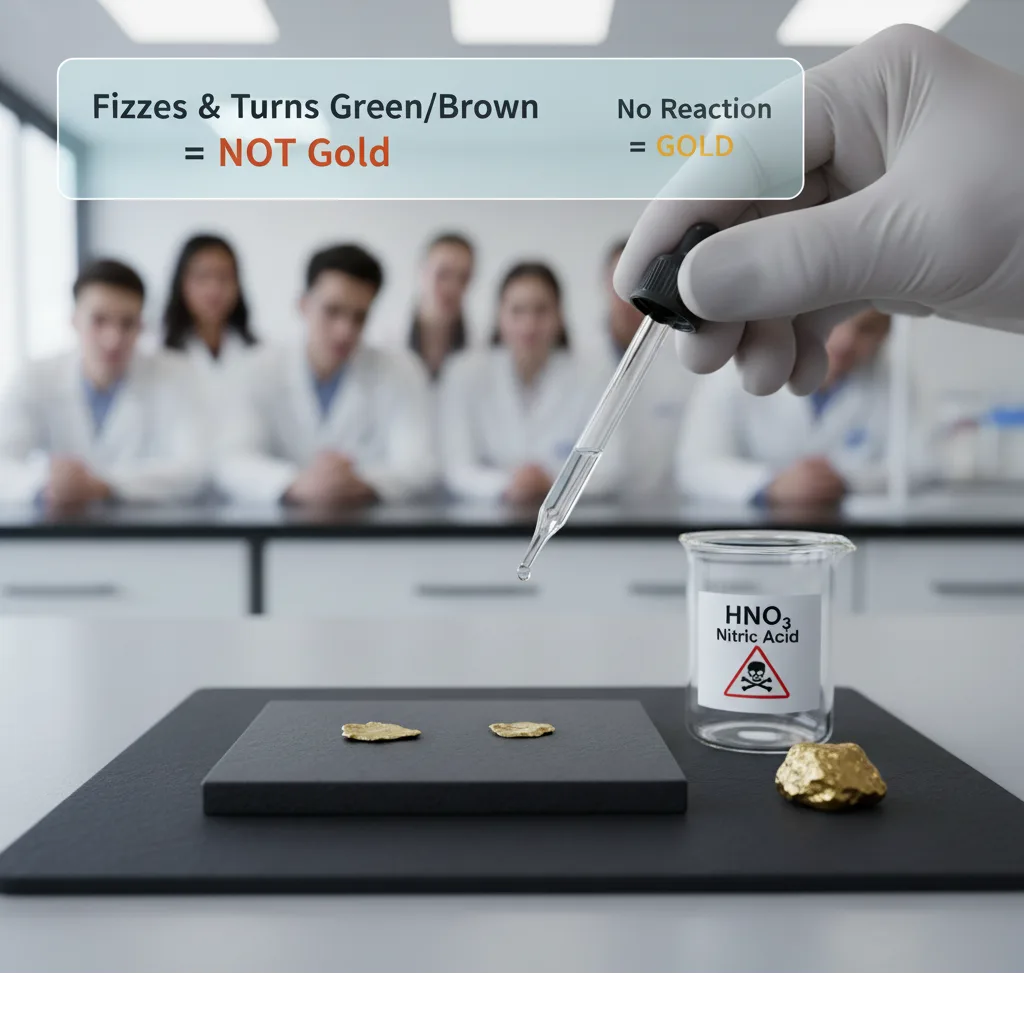
Acid Testing Safety Protocol:
- Use proper ventilation and protective equipment
- Test only in inconspicuous areas
- Apply minimal acid quantities
- Observe color changes carefully
- Neutralize acid residue immediately
- Document results with photographs
Product-Specific Counterfeit Detection
Gold Coins: Authentication Strategies
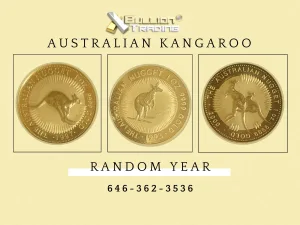
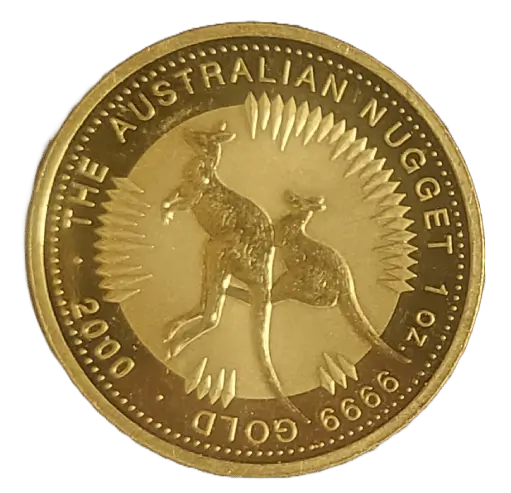
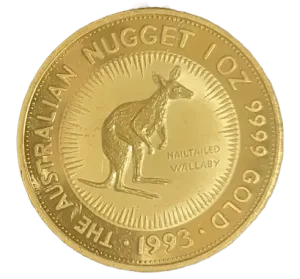
Government-minted gold coins like American Eagles, Canadian Maples, and Australian Kangaroos incorporate sophisticated anti-counterfeiting features:
Coin-Specific Security Features:
- Micro-engraved security marks (Canadian Maple Leaf’s laser mark)
- Radial lines creating light-diffraction patterns
- Hidden images visible at specific angles
- DNA anti-counterfeiting technology (Royal Canadian Mint)
- Unique edge lettering and reeding patterns
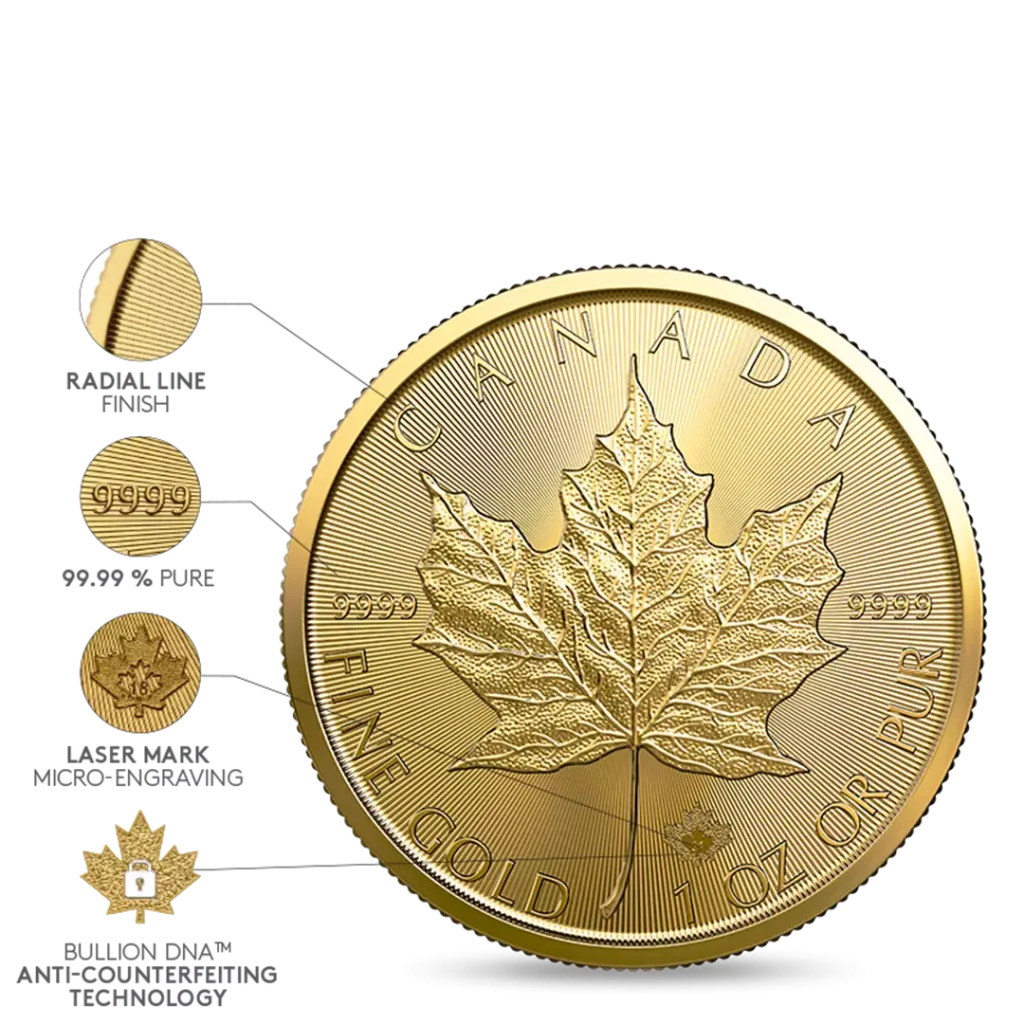
Government-minted gold coins
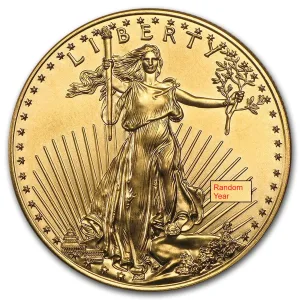
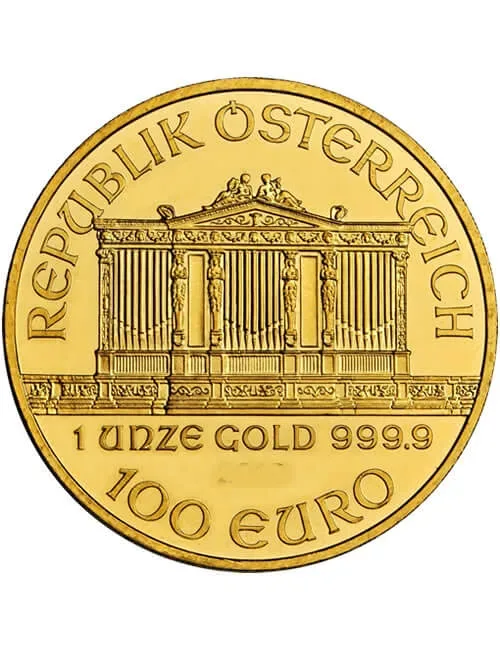
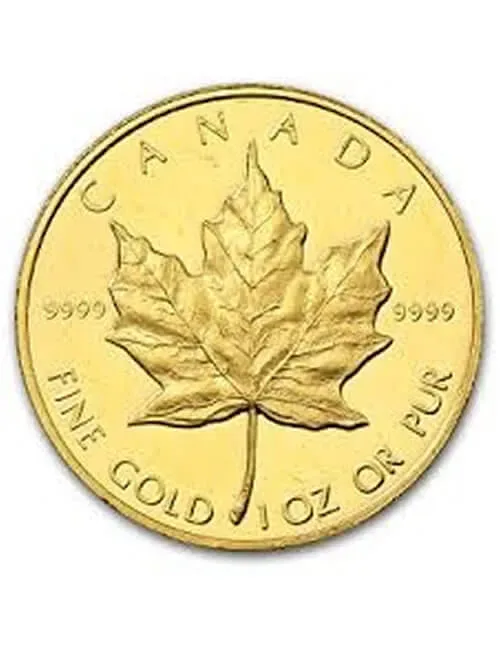
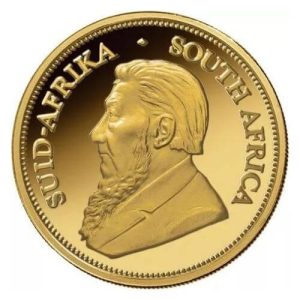


Australian Lunar Series III 2025 Year of the Snake 1oz Gold Bullion Coin
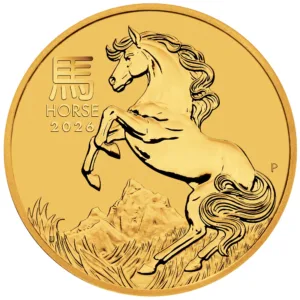
Australian Lunar Series III 2026 Year of the Horse 1oz Gold Bullion Coin
Gold Bars: Verification Protocols
Gold bars present unique challenges due to their larger size and potential for tungsten insertion. It is possible to track gold bars using their serial numbers, providing an additional verification layer.
Bar Authentication Steps:
- Verify serial numbers with refiner databases
- Check assay certificates for authenticity markers
- Perform ultrasonic testing for internal voids
- Measure precise dimensions against specifications
- Conduct multiple-point XRF scanning
Silver Products: Special Considerations
Silver counterfeiting often involves different techniques than gold due to the metal’s lower value and different properties:
Silver-Specific Tests:
- Thermal conductivity testing with specialized instruments
- Magnetic slide testing for diamagnetic properties
- Weight variance detection (silver fakes often significantly off-weight)
- Tarnish pattern analysis for age verification
- Mint luster evaluation under proper lighting
Red Flags When Purchasing Precious Metals
Dealer Warning Signs
By employing both basic and advanced methods of verification, investors can significantly reduce the risk of falling victim to fraud. However, prevention starts with choosing reputable dealers:
Dealer Red Flags:
- Prices significantly below spot price
- Reluctance to provide detailed product information
- No physical address or established business presence
- Pressure tactics or limited-time offers
- Unwillingness to accept secure payment methods
- Lack of industry association memberships
Online Purchase Precautions
The digital marketplace presents unique challenges for precious metals authentication:
Safe Online Buying Practices:
- Verify dealer credentials through BBB and industry associations
- Research seller reviews across multiple platforms
- Use secure payment methods with buyer protection
- Request detailed photographs from multiple angles
- Confirm return policies and authentication guarantees
- Avoid peer-to-peer transactions without escrow protection
Documentation and Provenance
Maintaining proper documentation protects both current value and future liquidity:
Essential Documentation:
- Original purchase receipts with dealer information
- Certificates of authenticity from recognized mints
- Third-party grading certificates (NGC, PCGS for coins)
- Assay certificates for bars
- Photographic documentation of your holdings
- Insurance appraisals and coverage documentation
Building a Comprehensive Testing Kit
Essential Tools for Every Investor
Creating a personal testing arsenal ensures immediate verification capability:
Basic Testing Kit ($100-$300):
- Digital scale (0.01g precision)
- Strong neodymium magnets
- Digital calipers
- 10x-20x magnifying loupe
- Reference materials with specifications
Intermediate Kit ($500-$1,500):
- Electronic precious metal verifier
- Ultrasonic thickness gauge
- Professional-grade scale
- USB microscope
- Acid testing kit with safety equipment
Advanced Kit ($2,000+):
- Sigma Metalytics verifier
- Density measurement apparatus
- Portable XRF analyzer (rental option)
- Complete chemical testing suite
- Professional reference library
Technology and Future Detection Methods
Blockchain Authentication
Emerging blockchain technologies promise revolutionary changes in precious metals authentication:
Blockchain Integration:
- Digital certificates linked to physical products
- Immutable ownership records
- Supply chain transparency
- Instant verification capabilities
- Smart contract integration for transactions
Artificial Intelligence Applications
X-ray fluorescence (XRF) analyzers are advanced tools used to analyze the composition of gold bullion, and AI enhancement makes these tools even more powerful:
AI-Enhanced Detection:
- Pattern recognition for identifying counterfeit characteristics
- Machine learning algorithms improving with each scan
- Automated comparison to vast databases
- Predictive analysis for emerging counterfeit techniques
- Real-time alerts for suspicious products
Regional Counterfeiting Patterns and Responses
Geographic Hotspots
Understanding regional counterfeiting trends helps investors stay vigilant:
High-Risk Regions:
- Asia-Pacific: Sophisticated tungsten-filled gold bars
- Eastern Europe: High-quality numismatic counterfeits
- Middle East: Fake sovereign gold coins
- Online Marketplaces: Global distribution networks
Law Enforcement and Industry Response
Coordinated efforts combat the counterfeiting threat:
Anti-Counterfeiting Initiatives:
- International law enforcement cooperation
- Industry-wide authentication standards
- Dealer certification programs
- Consumer education campaigns
- Technology sharing agreements
Protecting Your Investment: Best Practices
Regular Verification Protocols
Establishing routine testing maintains portfolio integrity:
Verification Schedule:
- Test all new purchases immediately
- Conduct quarterly spot checks on holdings
- Annual comprehensive portfolio verification
- Pre-sale authentication for liquidity planning
- Documentation updates with each verification
Storage and Security Considerations
Proper storage protects both physical security and authenticity:
Storage Best Practices:
- Maintain original packaging when possible
- Store with documentation and certificates
- Use tamper-evident containers
- Implement access controls and monitoring
- Consider professional vault storage for large holdings
Insurance and Risk Management
Comprehensive protection extends beyond physical verification:
Risk Mitigation Strategies:
- Specific precious metals insurance coverage
- Regular appraisal updates
- Photographic documentation
- Diversification across products and dealers
- Legal recourse understanding
Common Counterfeiting Myths Debunked
“All Chinese Gold Is Fake”
While China produces both genuine and counterfeit products, blanket generalizations harm legitimate dealers and create unnecessary market fear. Focus on verification rather than origin assumptions.
“Expensive Equipment Guarantees Detection”
Professional verifiers, or expert authentication services provide the most reliable results, but no single test offers 100% certainty. Combining multiple testing methods provides the highest confidence level.
“Dealers Always Detect Fakes”
Even experienced dealers can be deceived by sophisticated counterfeits. Independent verification remains essential regardless of source reputation.
“Counterfeits Are Always Obvious”
Modern counterfeiting technology produces convincing replicas that fool casual observers. Systematic testing protocols are necessary for reliable detection.
Legal Considerations and Recourse
Understanding Your Rights
Investors have legal protections against counterfeit precious metals:
Legal Protections:
- Federal laws prohibiting counterfeiting
- State consumer protection statutes
- Uniform Commercial Code warranties
- Credit card chargeback rights
- Civil litigation options
Reporting Suspected Counterfeits
Proper reporting helps combat counterfeiting:
Reporting Procedures:
- Document all evidence thoroughly
- Contact local law enforcement
- File complaints with:
- Federal Trade Commission
- U.S. Secret Service (for coins)
- Industry associations
- Better Business Bureau
- Notify the selling dealer
- Alert the precious metals community
Future-Proofing Your Precious Metals Portfolio
Staying Informed
The counterfeiting landscape evolves continuously:
Information Sources:
- Industry association bulletins
- Dealer alerts and updates
- Online collector communities
- Authentication service notifications
- Law enforcement advisories
Continuous Education
Maintaining detection competence requires ongoing learning:
Educational Resources:
- Professional authentication courses
- Dealer-sponsored workshops
- Online video tutorials
- Industry conferences and shows
- Numismatic society meetings
Building Relationships
Trusted relationships provide invaluable protection:
Relationship Development:
- Establish connections with reputable dealers
- Join collector organizations
- Participate in online forums
- Network with experienced investors
- Maintain professional service providers
Conclusion: Vigilance in the Modern Precious Metals Market
The sophistication of modern precious metals counterfeiting demands equally sophisticated detection approaches. As we’ve explored, counterfeiters increasingly use tungsten cores with gold plating, making single-test verification insufficient for comprehensive protection.
Success in avoiding counterfeit gold and silver requires combining multiple detection methods, from simple home tests to advanced electronic verification. The investment in proper testing equipment and education pays dividends through protected wealth and peace of mind. Remember that by employing both basic and advanced methods of verification, investors can significantly reduce the risk of falling victim to fraud.
The precious metals market continues offering exceptional investment opportunities, particularly as economic uncertainties drive demand for tangible assets. However, this same demand creates incentives for sophisticated counterfeiting operations. By implementing the comprehensive detection strategies outlined in this guide, investors can confidently participate in the precious metals market while protecting themselves from fraudulent products.
Your vigilance today protects tomorrow’s wealth. Whether you’re purchasing your first gold coin or managing a substantial bullion portfolio, these detection methods provide the knowledge and tools necessary for authentic precious metals investment. The few minutes spent verifying each purchase could save thousands of dollars and preserve your investment’s integrity.
At Bullion Trading LLC, we understand the importance of authenticity in precious metals investment. Our commitment to providing genuine, verified products backed by comprehensive documentation ensures your investment security. Combined with the detection knowledge from this guide, you’re equipped to build and maintain an authentic precious metals portfolio that stands the test of time.
Remember: in the world of precious metals, verification isn’t paranoia—it’s prudence. Test everything, document thoroughly, and never compromise on authenticity. Your financial future depends on it.
FAQ:
Q: How can I test my gold and silver at home?
A: You can use several simple tests at home to get an idea if your gold or silver is genuine:
- Weight and dimension test: Compare weight and size to official mint specs using a precision scale and calipers.
- Magnet test: Real gold and silver are non-magnetic, but note this won’t detect advanced tungsten-core fakes.
- Ping (ring) test: Precious metals have a distinct ringing tone when gently tapped.
- Ice cube test (for silver): Silver’s high thermal conductivity causes ice to melt very quickly on its surface.
- Visual inspection: Check for hallmarks, consistent edges, and mint-specific security features.
These methods are good first-line checks, but no single home test is foolproof. For expensive items, combine multiple tests or consult a professional who can use advanced tools like XRF scanners or ultrasonic gauges.
Q: Can a magnet detect fake gold?
A: Only sometimes — magnets detect ferrous fillers but won’t find tungsten cores; use magnet tests as a quick first screen only.
Q: Are tungsten-filled bars common?
A: They’re uncommon but well-documented; tungsten has nearly the same density as gold and has been used in notable counterfeit cases.
Q: Will an XRF analyzer detect plated items?
A: XRF reads surface composition; thick plating can skew results, so combine XRF with other tests (ultrasonic, specific gravity, assay) for large bars.
Q: How much does a handheld XRF cost?
A: Basic handheld units typically start around $15,000–$30,000; mid/high models go higher depending on specs and calibration.
Q: What should I do if I suspect a counterfeit?
A: Document everything, contact the seller, file reports with local law enforcement and industry bodies, and for coins consider contacting the U.S. Secret Service or equivalent.
